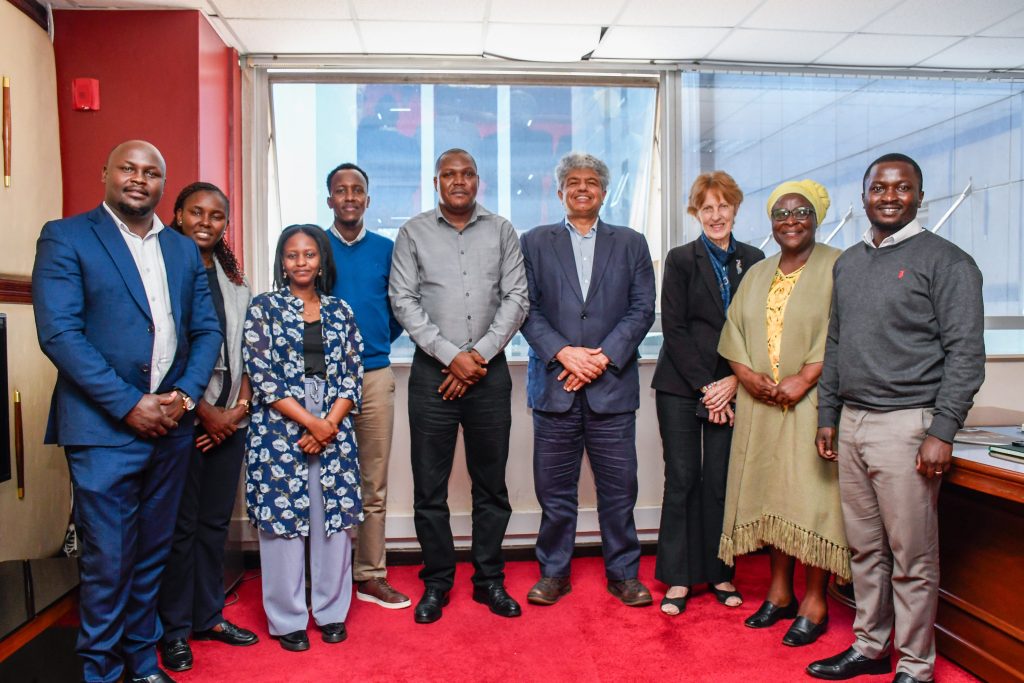
In March 2026, the TEEBAgriFood Kenya Project met with representatives from the Council of Governors (CoG) to align county governance with science-based policies for sustainable, resilient, and equitable food systems. This strategic engagement set the stage for integrating long-term sustainability into agricultural and environmental decision-making.
The TEEBAgriFood Kenya Project uses the TEEBAgriFood framework, applying “True Value Accounting” (TVA) to assess Kenya’s food and agriculture systems. Traditional metrics, such as yield per hectare, capture only part of food system performance, while TVA broadens this view by including natural capital such as ecosystems, biodiversity, soils, and water. It also considers social capital, including health, community cohesion, and gender equity, as well as produced, manufactured, and human capital. By doing this, the project measures economic returns, ecological integrity, and social well-being to provide a comprehensive understanding of agricultural development.
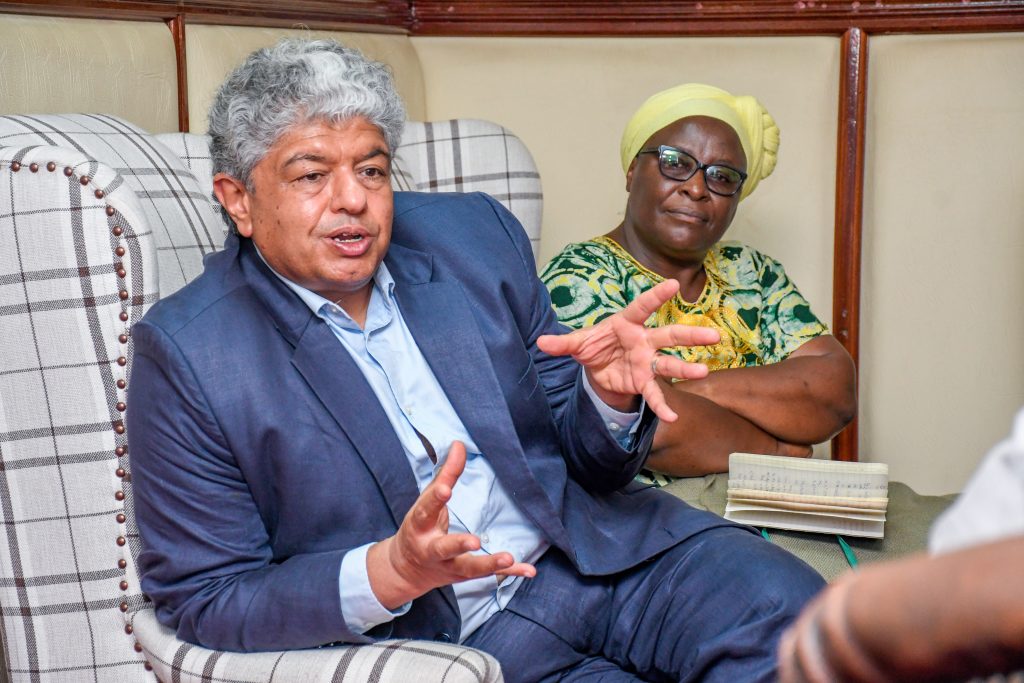
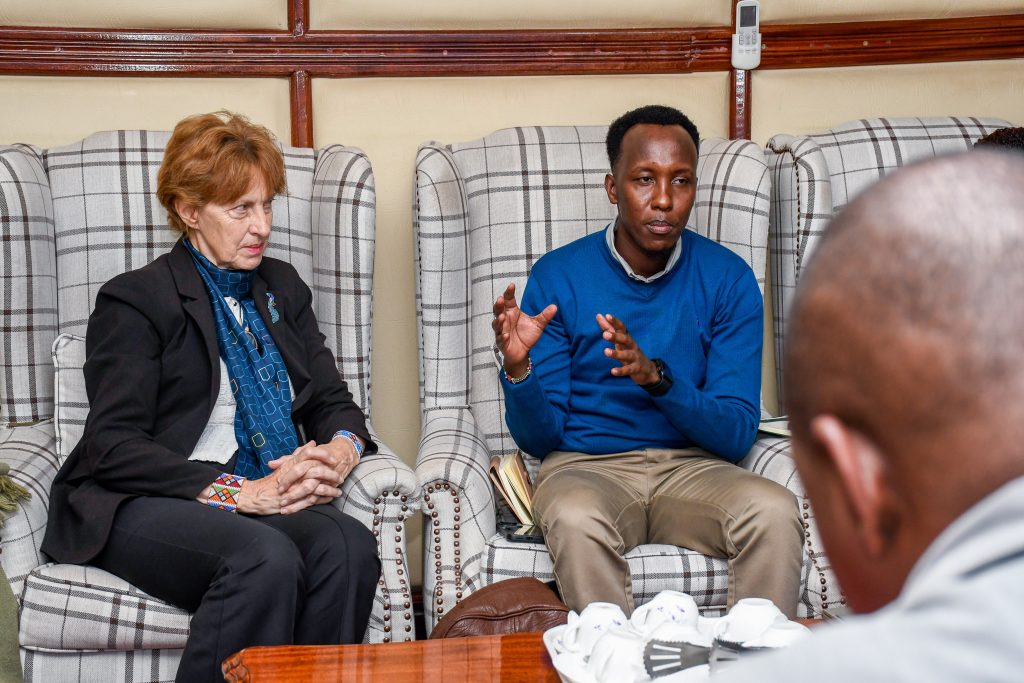

Discussions with the Council of Governors (CoG) highlighted several structural challenges in Kenya’s food systems. Current strategies often prioritise short-term productivity gains while overlooking critical externalities such as soil degradation, loss of pollinators, water scarcity, and the long-term health costs associated with intensive farming practices. These gaps have slowed progress towards Kenya’s Sustainable Development Goals (SDGs) and the effective implementation of county development plans.
The TEEBAgriFood Kenya Project seeks to address these challenges by generating locally grounded evidence through tools such as integrated modelling, causal loop analysis, and natural capital accounting. By making the hidden costs and benefits of food systems visible, the project supports more informed and sustainable decision-making.
A key theme that emerged from the discussions was the need to integrate agroecology into both County and national policy frameworks. The importance of aligning the project’s work with existing agricultural and food system priorities, including the National Agroecology Strategy and relevant County agri-food policies, was emphasized. True Value Accounting was identified as a particularly powerful approach because it captures benefits often excluded from conventional economic assessments, such as pollination services, carbon sequestration, ecosystem resilience, and social well-being, thereby strengthening the economic case for sustainable agricultural practices.
Another important theme was the need for stronger cross-sector and cross-county coordination. Natural resources such as rivers, forests, grazing lands, and watersheds often extend beyond administrative boundaries, making isolated interventions ineffective. Participants noted that meaningful food system transformation will require closer collaboration across counties and stronger alignment among the agriculture, environment, health, and water sectors.
The discussions also underscored the importance of capacity building and improved data management. Many counties still lack integrated datasets, while information generated by different departments is often managed in silos. The project responds to this gap by strengthening technical capacity through training in open-source tools such as Sentinel satellite imagery, scenario modelling, and True Value Accounting (TVA). In addition, collaboration with the Kenya National Bureau of Statistics (KNBS) will support the integration of natural capital accounts into county planning processes. Complementing these efforts, the project’s communication strategy, including journalist training, capacity building for county officers, and vernacular radio programming, will help drive behaviour change at personal, institutional, and policy levels.
Political economy and incentive structures also featured prominently in the discussions. Participants observed that TVA and systems modelling can provide credible, non-partisan evidence for decision-making by demonstrating the long-term economic, environmental, and social returns of sustainable interventions. Beyond traditional input subsidies, the project is exploring incentives, such as supply chain mechanisms, that enable producers to earn premium prices for sustainably produced goods. Private sector actors, including buyers, insurers, and cooperatives, have already expressed interest in the business and climate benefits of agroecology. Youth engagement was also recognised as central to the project’s success, with clubs and targeted initiatives expected to connect thousands of young leaders to county strategies on farming, cooperatives, and natural resource management.
Concrete next steps include establishing CoG, potentially through the Maarifa Center, as a hub for consolidated county-level data to support cross-boundary planning and ward-level analysis. Capacity building will continue, with executive training for governors, policy workshops for directors, and data officer training across additional counties. Project outputs will feed into county policies, integrated development plans, and national strategies, ensuring that true value accounting informs budgeting, legislation, and implementation. Communications efforts will be tailored to county contexts to reinforce behavior change and systemic transformation, while youth engagement will be strengthened through integration with county-level frameworks.
The meeting reinforced TEEBAgriFood Kenya’s momentum. It positioned CoG as a crucial partner for sustainable project impact. By combining strong evidence, community engagement, and cross-sector collaboration, TEEBAgriFood Kenya is creating a resilient and sustainable food system. This model supports Kenya in handling climate stress, boosting livelihoods, and shaping policies across its devolved government framework.
Article by Juliet Hinga