The TEEBAgriFood Kenya Project is a collaborative initiative led by the United Nations Environment Programme (UNEP) in partnership with Strathmore University Business School, funded by the IKEA Foundation. Our mission is to highlight the value of nature and drive the transformation of Kenya’s food systems. We aim to promote environmental sustainability while improving the well-being of communities.
TEEB Kenya is a collaborative initiative led by the United Nations Environment Programme (UNEP) and Strathmore University Business School (SBS). It focuses on implementing the TEEBAgriFood framework in Kenya to highlight the “true value” of nature and transform food systems for sustainability and community well-being.
Current economic metrics often ignore the environmental and social costs of food production. “True Value Accounting” (or True Cost Accounting) looks beyond just the market price of food to include the costs of ecosystem degradation, carbon emissions, and health impacts, as well as the benefits of biodiversity and sustainable livelihoods.
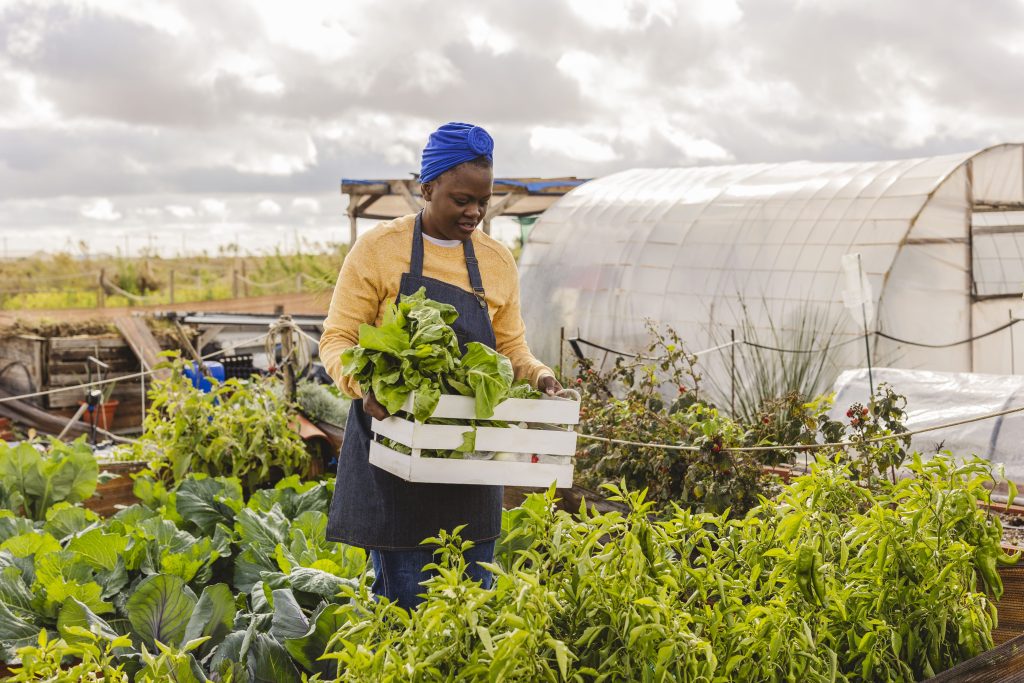
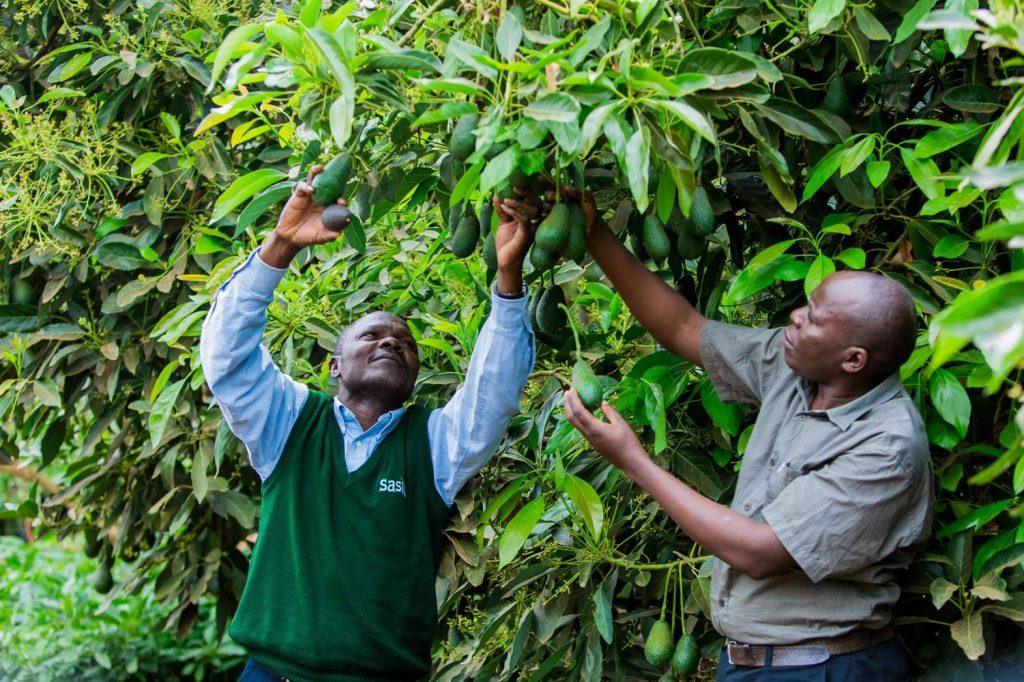
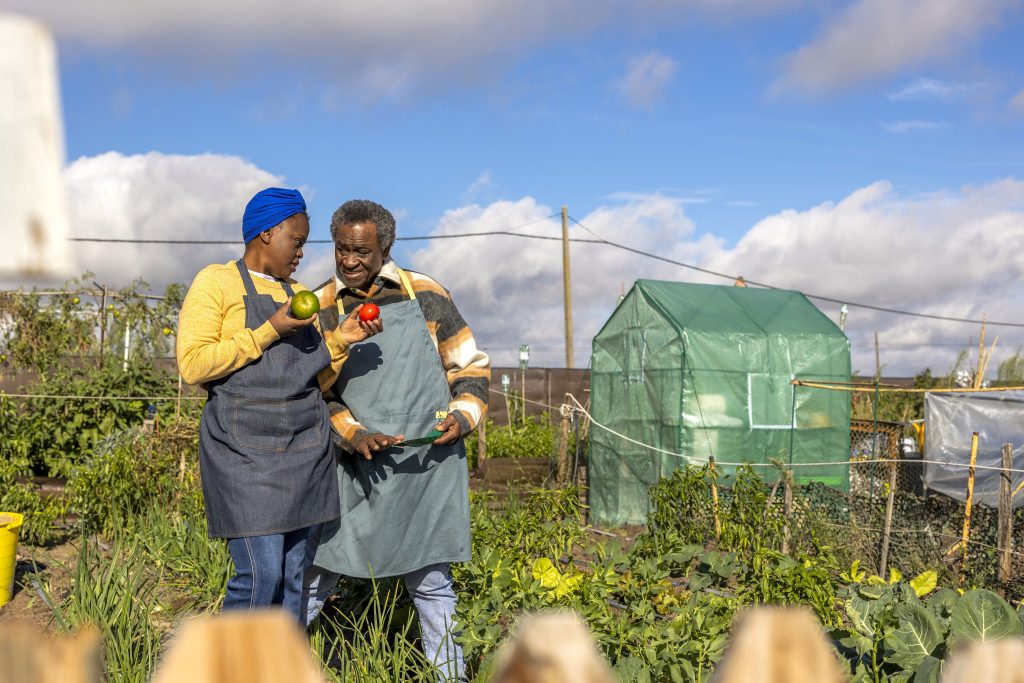
Agriculture is the backbone of Kenya’s economy, driving 65% of export earnings and sustaining over 80% of the population. However, the sector faces challenges like climate change and resource pressure. TEEB Kenya provides the data and policy levers needed to make this vital sector more resilient and productive.
The project is a multi-stakeholder effort involving the United Nations Environment Programme (UNEP), Strathmore University Business School, and is funded by the IKEA Foundation. It also works closely with various Kenyan government ministries and local communities.
By providing evidence-based economic cases for “pro-nature” policies, TEEB Kenya helps decision-makers design interventions that protect biodiversity while ensuring food security. This includes promoting sustainable land management and climate-smart agricultural practices.
The project currently focuses on evaluating different land-use scenarios (such as carbon farming, intensified agroforestry, and forest conservation) in key areas like the Mau Forest Greater Ecosystem to see which provides the best outcomes for people and nature.
The website hosts a Resources section where users can find scientific reports, policy briefings, scenario outputs, and interactive maps that visualize the data collected throughout the project’s implementation.
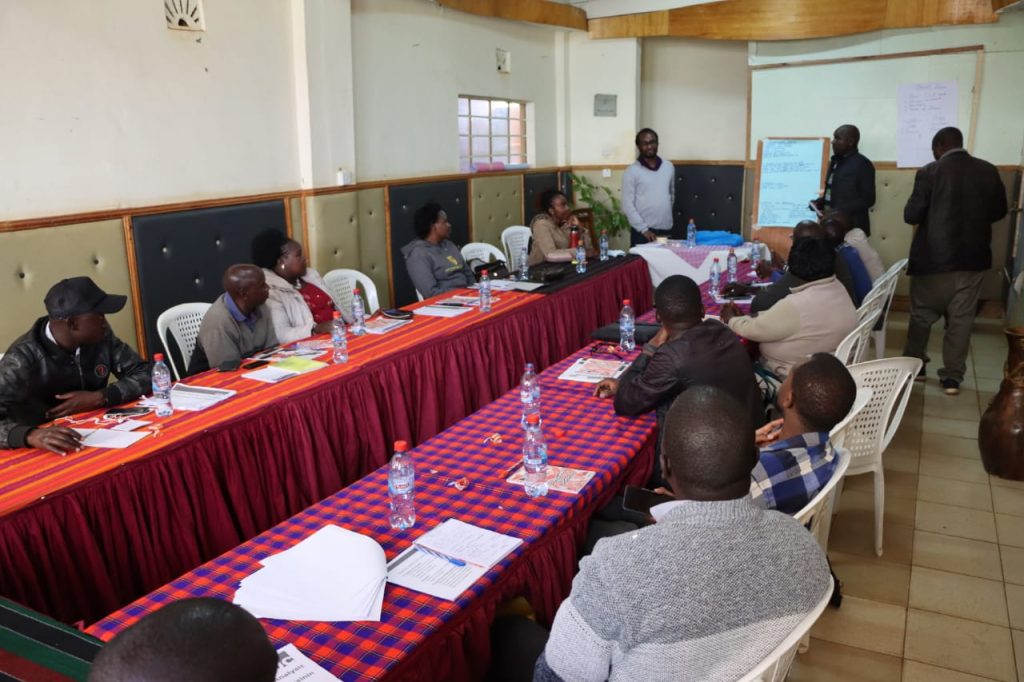
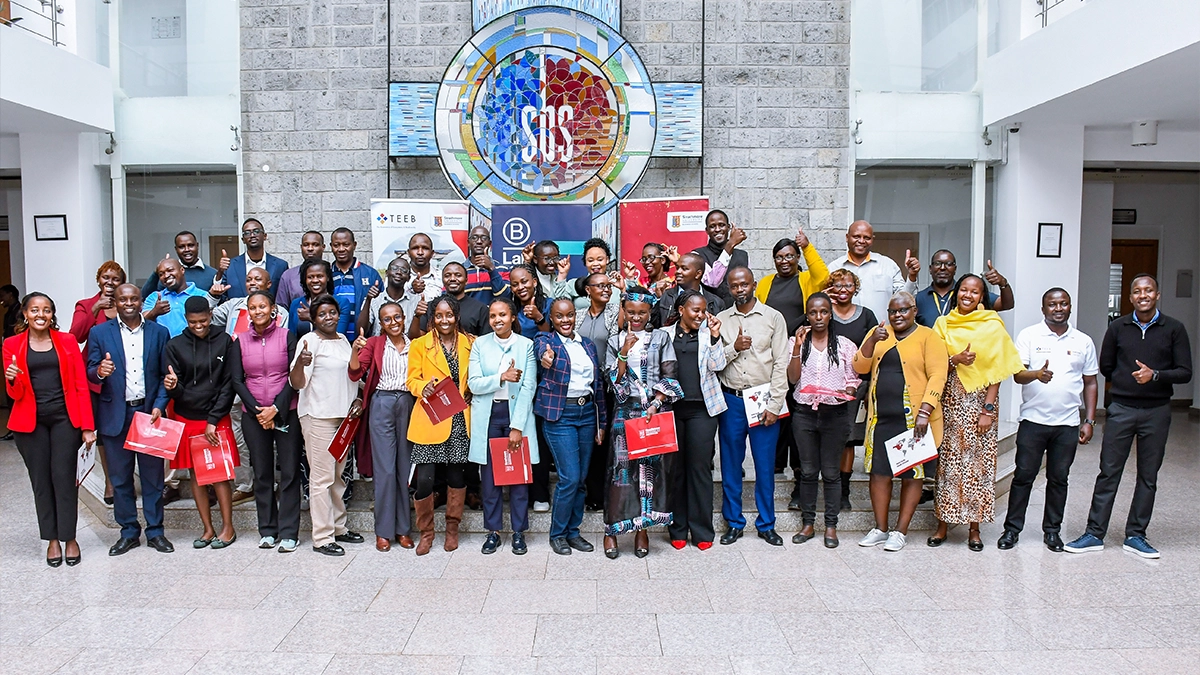
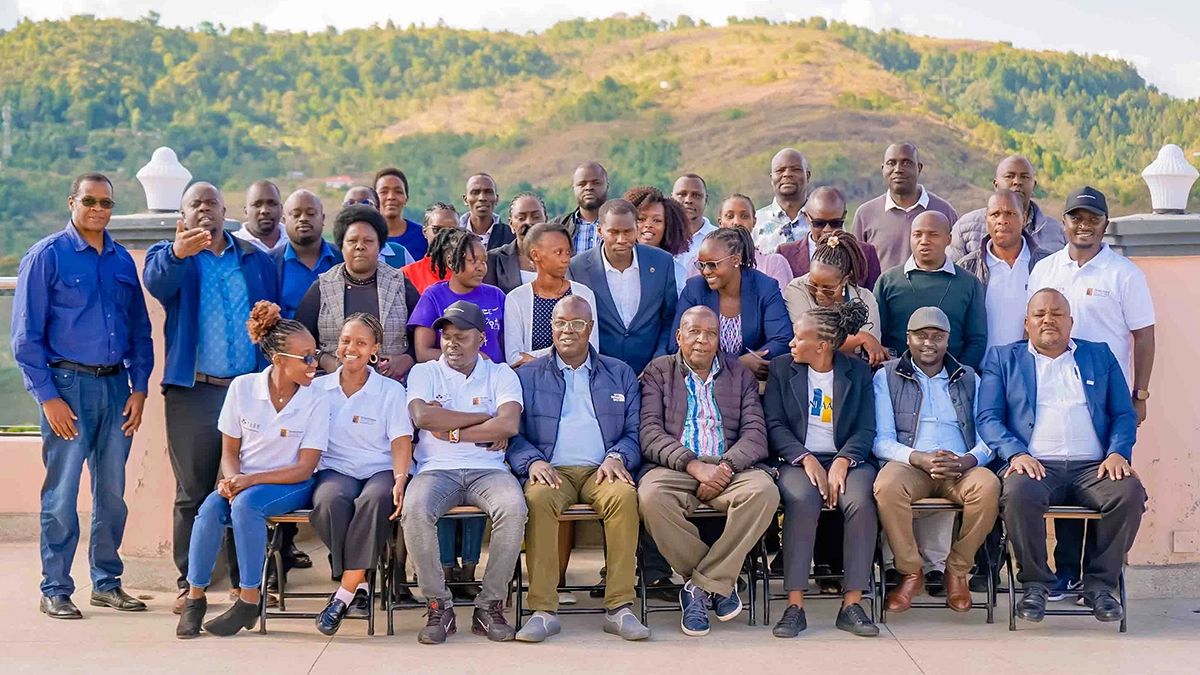
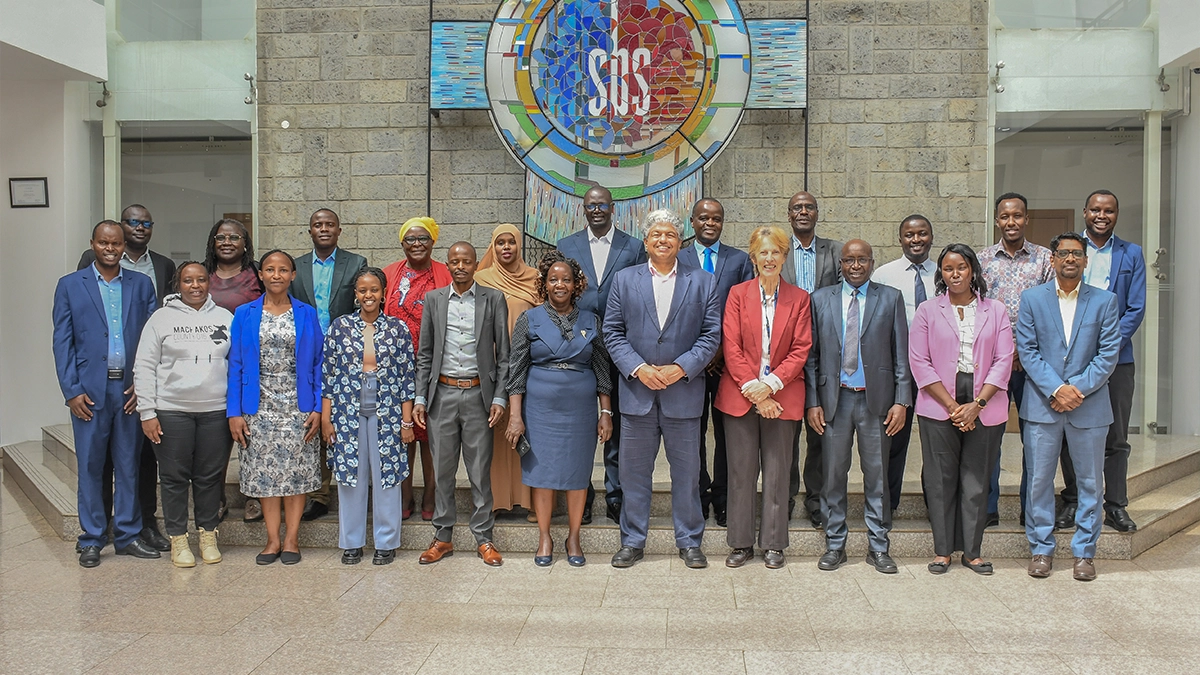
Interested stakeholders, researchers, and partners can reach out through the Contact page on the website (teebkenya.org) or follow the “News” section for updates on workshops, gallery events, and project milestones.