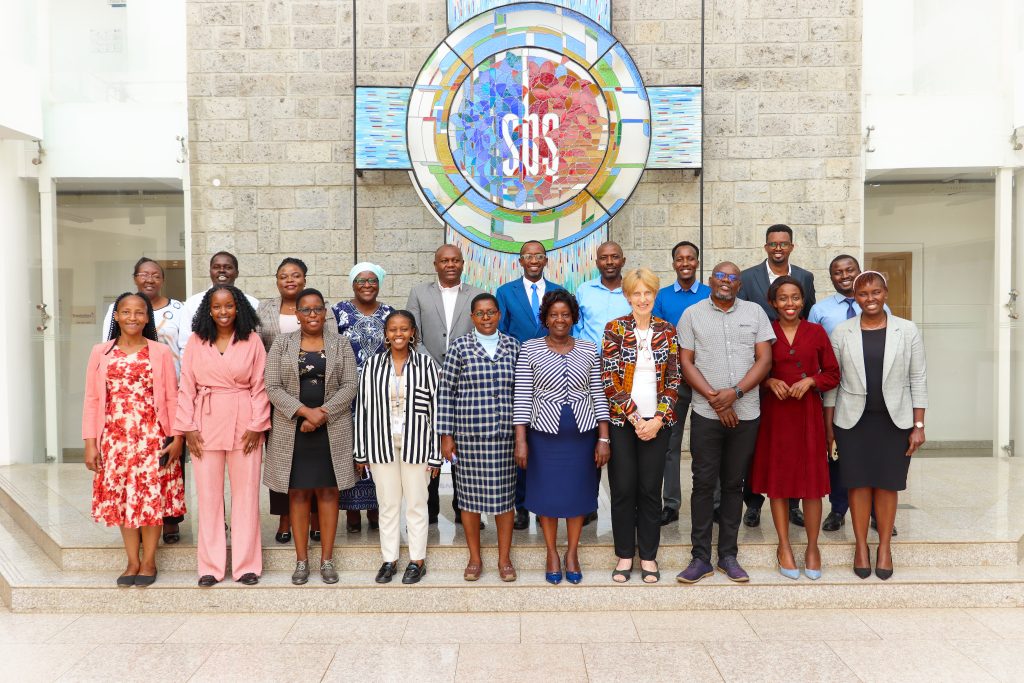
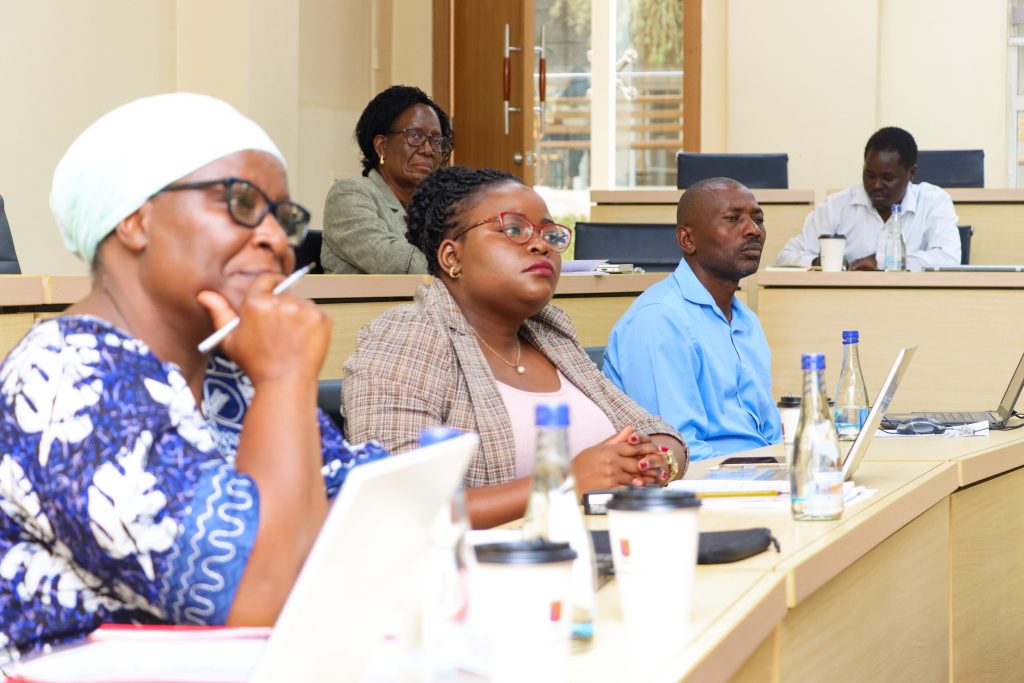
Earlier this week, the TEEBAgriFood Kenya Project convened a high-level stakeholder meeting with representatives from the Kenya Ministry of Agriculture and Livestock Development (MoALD), reaffirming a shared commitment to evidence-driven transformation of Kenya’s agri-food systems. The engagement provided a strategic platform to align TEEB Agri-Food evidence with key national policy processes shaping the future of agriculture, food security, and sustainability in Kenya.
A central focus of the meeting was the alignment of TEEBAgriFood insights with flagship policy frameworks, including the National Agroecology Strategy for Food System Transformation (NAS-FST 2024–2033) and the Livestock Master Plan. Discussions underscored the importance of integrating valuation evidence into these policy instruments to capture better the social, environmental, and economic dimensions of agri-food systems.
Participants emphasized that embedding evidence-based indicators within policy implementation frameworks is essential for tracking progress, demonstrating impact, and guiding adaptive decision-making.
The Ministry presented an overview of the National Agroecology Strategy, highlighting its expected socio-economic and environmental outcomes, including improved livelihoods, ecosystem restoration, and resilient food production systems. The conversation reinforced the need for robust, measurable indicators that link agroecological practices to tangible benefits for farmers, communities, and the broader economy.
TEEBAgriFood’s valuation approach was recognized as a critical tool for strengthening this evidence base and supporting outcome-oriented planning. Beyond policy alignment, the meeting emphasized the importance of practical linkages between national strategies and on-the-ground implementation, particularly in crop and livestock farming systems. There was strong agreement on the need for:
- Enhanced inter-institutional coordination across ministries, counties, and research institutions
- Identification of pilot areas to demonstrate the real-world impact of valuation-informed decision-making
- Clear pathways to translate policy commitments into actionable interventions at county and community levels
Capacity building emerged as a key priority for sustaining impact. Participants identified the need for: technical training on valuation methodologies for government and partner institutions, strengthened knowledge dissemination to county governments to support local planning, and improved communication and collaboration between research institutions and policy actors to ensure evidence flows effectively from analysis to action.
The meeting concluded with strong appreciation for the collaborative spirit demonstrated by all participants and a shared resolve to move from evidence to action. By strengthening coordination, building capacity, and anchoring policy decisions in robust valuation data, stakeholders reaffirmed their commitment to advancing resilient, inclusive, and sustainable agri-food systems in Kenya.
Article Juliet Hinga