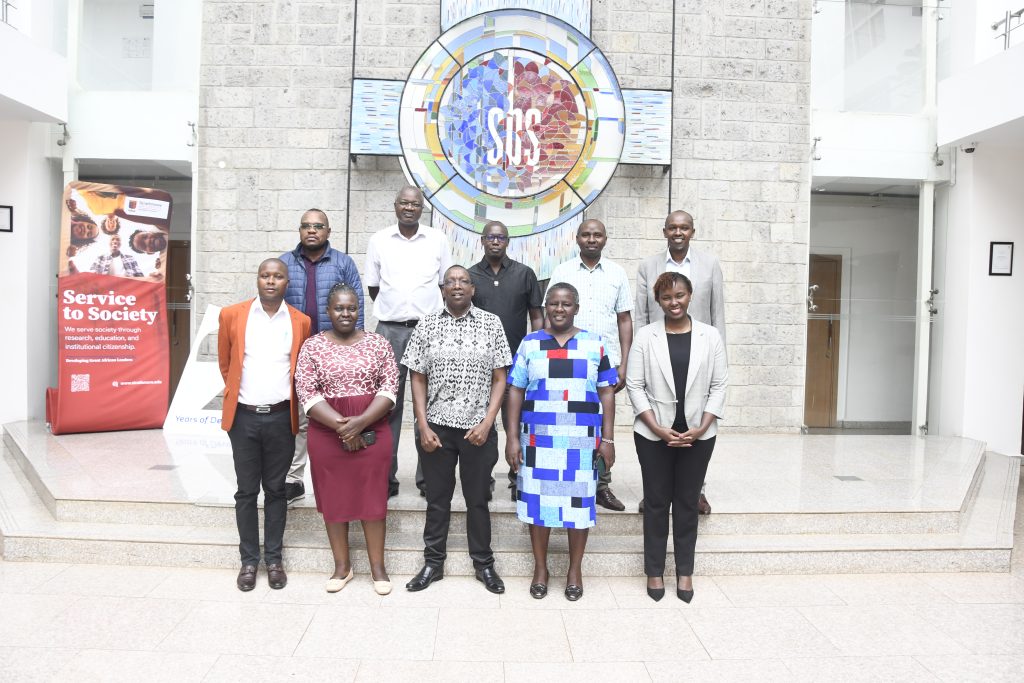
On Tuesday, 25 November 2025, the TEEBAgriFood Kenya Project convened the first consultative meeting of the Communications & Advocacy Technical Working Group, bringing together Communication Directors from the 10 project counties, national agency representatives, and regional and national journalists. The meeting, held at Strathmore University Business School (SBS), marked a crucial step in strengthening communication and advocacy for sustainable agri-food systems in Kenya.
The session began with reflections from county communication teams and journalists on the current communication landscape, highlighting both opportunities and challenges. Some of the shared issues highlighted included:
Shrinking and strained food systems caused by erratic weather patterns, land pressure, and unsustainable farming practices. The only way farmers will see the need to change their farming practices and adopt sustainable alternatives is if they have access to these practices and understand how they can benefit them.
Limited community-driven communication, with a strong need to engage community radio, local journalists, and smallholder farmers as key catalysts of information flow.
Low adoption of improved farming methods, with local farmers still relying on traditional practices and often hesitant to embrace new approaches. One of the recommendations under this was to ensure more training and empowerment of local farmers so that they understand the benefits of new farming methods and regenerative agricultural techniques.i
The conversations underscored that meaningful social and behaviour change at both institutional and community levels requires intentional messaging, strong partnerships, and a consistent advocacy effort.
Why Communication Matters
Rosemary Orlale, Director of the Africa Media Hub at (SBS) guided participants through a session on the pivotal role of communication within the TEEBAgriFood Kenya Project. She reiterated that effective communication is essential for promoting the valuation of natural resources through the True Value Accounting (TVA) approach and for supporting counties to integrate these principles into their planning and implementation processes
Jackson Kiok (SBS) further contextualized the TEEBAgriFood Framework, illustrating how TVA links natural capital valuation to policy, economic transformation, and improved outcomes for local communities. This session helped Communication Directors and journalists connect the technical components of the project to real county-level challenges and opportunities.

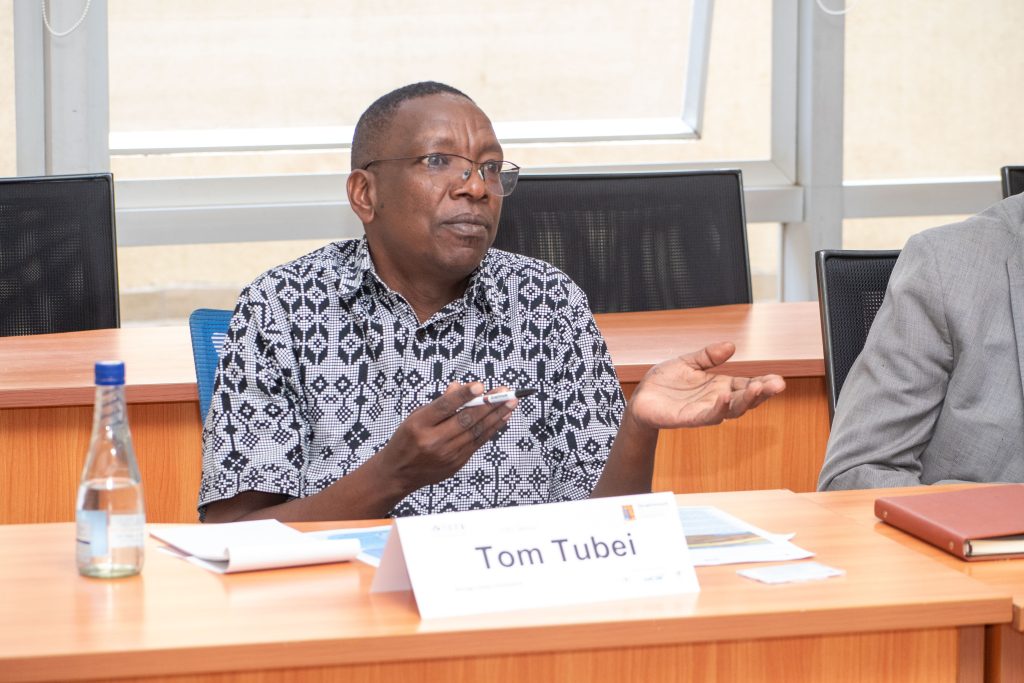

The Working Group reviewed existing communication dynamics between county governments,
national ministries, and project partners, identifying four key areas for improved coordination.
Consistency in messaging and branding. Each county currently communicates agricultural and environmental sustainability initiatives using different messaging styles, formats, and levels of emphasis. To ensure clarity and coherence, the group recommended adopting a unified communication identity for the TEEBAgriFood Kenya Project. This consistency will help counties present a unified voice on sustainable food systems and True Value Accounting, making the project more recognizable and easier for communities, policymakers, and partners to understand.
Address institutional and coordination bottlenecks that hinder the flow of information. Members highlighted delays in sharing updates, fragmented communication channels, and unclear reporting structures between counties and national agencies. These gaps often lead to inconsistent dissemination of information and limited visibility of ongoing interventions. The group called for streamlined communication protocols, more precise lines of responsibility, and regular coordination touchpoints to enhance efficiency and ensure that project messages reach the intended audiences on time.
Develop mechanisms for cross-learning and knowledge sharing among county teams. Counties are at different stages of implementing sustainable agriculture and natural capital initiatives, yet many face similar communication challenges. To leverage collective strengths, the Working Group proposed establishing platforms such as quarterly learning forums, peer exchange sessions, and a shared digital repository—to document and share best practices, success stories, and lessons learned. This approach will promote a culture of continuous learning and foster stronger collaboration across county boundaries.
Establish unified communication and advocacy tools to enhance visibility, ownership, and policy uptake. The members emphasized the importance of developing practical tools, such as communication toolkits, media briefs, fact sheets, and localized storytelling templates, that counties can adapt and utilize. Such resources will help standardize the project messaging, build public understanding, and increase the visibility of county-led initiatives,
and support the integration of the TEEBAgriFood approach into county planning and policy frameworks.
Through this Working Group, the TEEBAgriFood Kenya Project aims to establish a robust communication ecosystem that supports informed decision-making, fosters the uptake of evidence-based policies, and empowers communities to adopt sustainable food system practices.
Article by Juliet Hinga