
Following the Governors’ meeting in Borana, Laikipia, a follow-up discussion was convened at Strathmore University Business School (SBS) to advance the practical implementation of the TEEBAgriFood Framework across the ten participating counties. The session brought together key stakeholders, including Prof. Jacqueline McGlade, the TEEBAgrifood Kenya Principal Investigator (PI), Eve Njau, Research Officer overseeing the Communities of Practice(CoP) and Jackson Kiok, Research Officer in charge of policy from as well as the Deputy Governors of Trans Nzoia, H.E. Philomena Bineah Kapkory, and West Pokot, H.E. Robert Achaule Komole; Martin Lindrum, a pioneer in chia seed production; his associate Alberto; and David Lesamana, former chief officer in the Samburu County Government and now chairperson of a community group ranch.

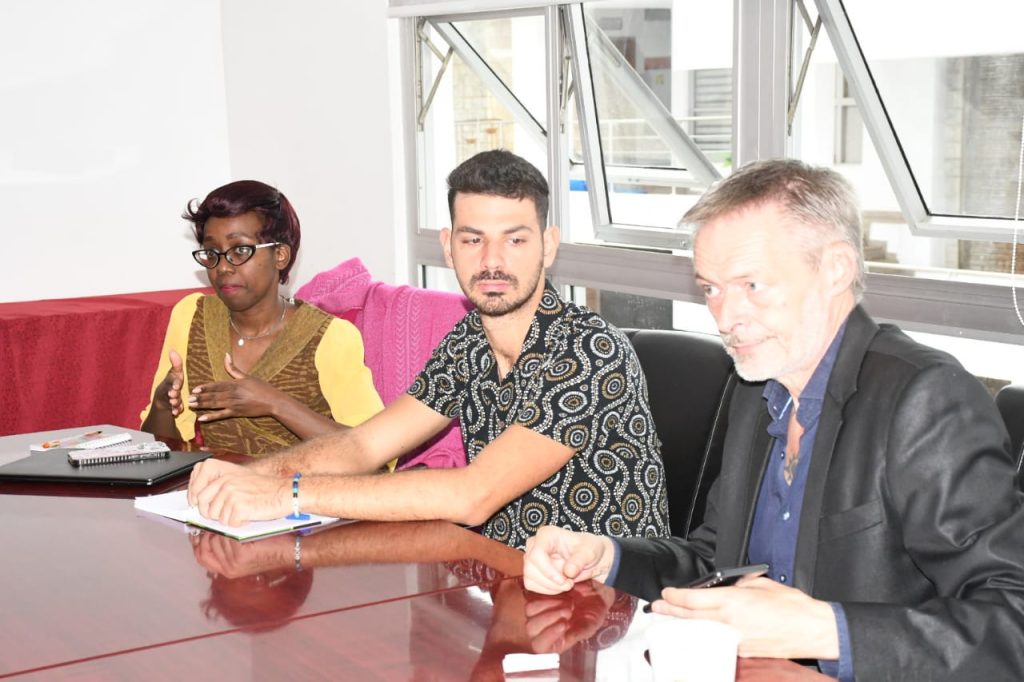
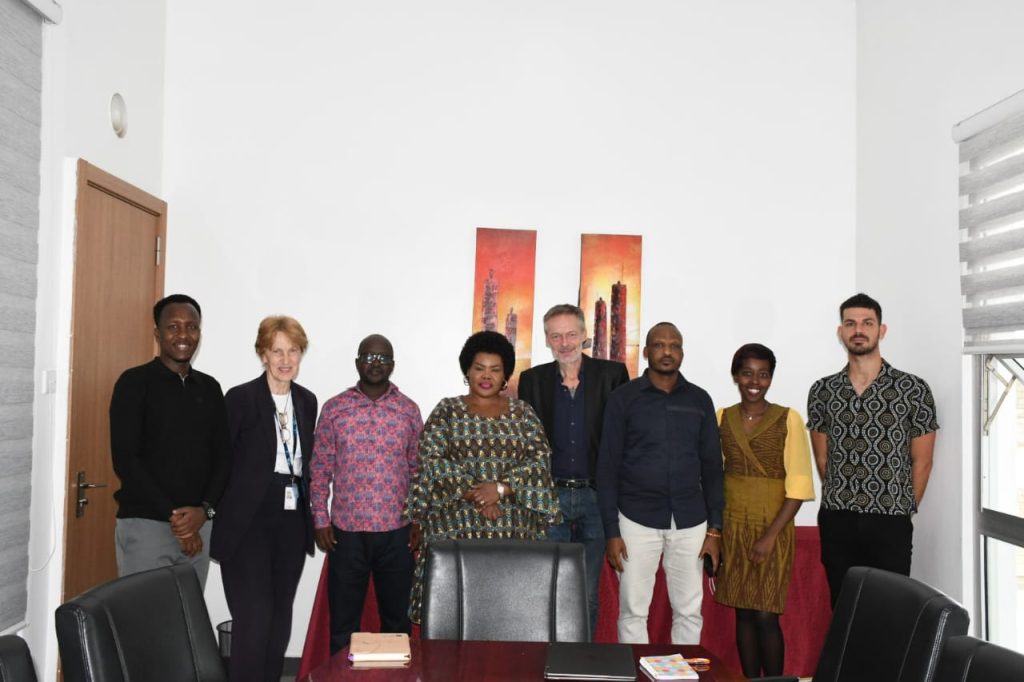
The meeting marked an important shift from high-level commitments to targeted, on-the-ground actions that can directly support farmers and county leaders. One of the central discussions focused on the potential introduction of chia as a high-value, climate-resilient crop. Martin and Alberto offered a detailed overview of chia’s agronomic potential, its adaptability to varied ecological zones, and its strong nutritional profile—positioning it as a promising crop for improving household nutrition and diversifying farmer incomes.
Participants also examined how the TEEBAgriFood Framework can be formally integrated into county planning mechanisms, particularly through the upcoming County Integrated Development Plans (CIDPs). There was clear consensus that transitioning toward nature-positive agriculture requires not only new crops and regenerative practices, but also structured incorporation into county governance, budgeting, and long-term food system strategies.
As a practical next step, the group committed to identifying five farmers from the Project’s Community of Practice in Trans Nzoia County to spearhead pilots on regenerative agriculture. These demonstration farms will showcase how chia cultivation can be integrated with soil-restoring practices—creating locally grounded evidence and lessons that other counties, including West Pokot, can adapt as they progress toward more sustainable, climate-resilient agricultural systems.
Article by Jackson Kiok