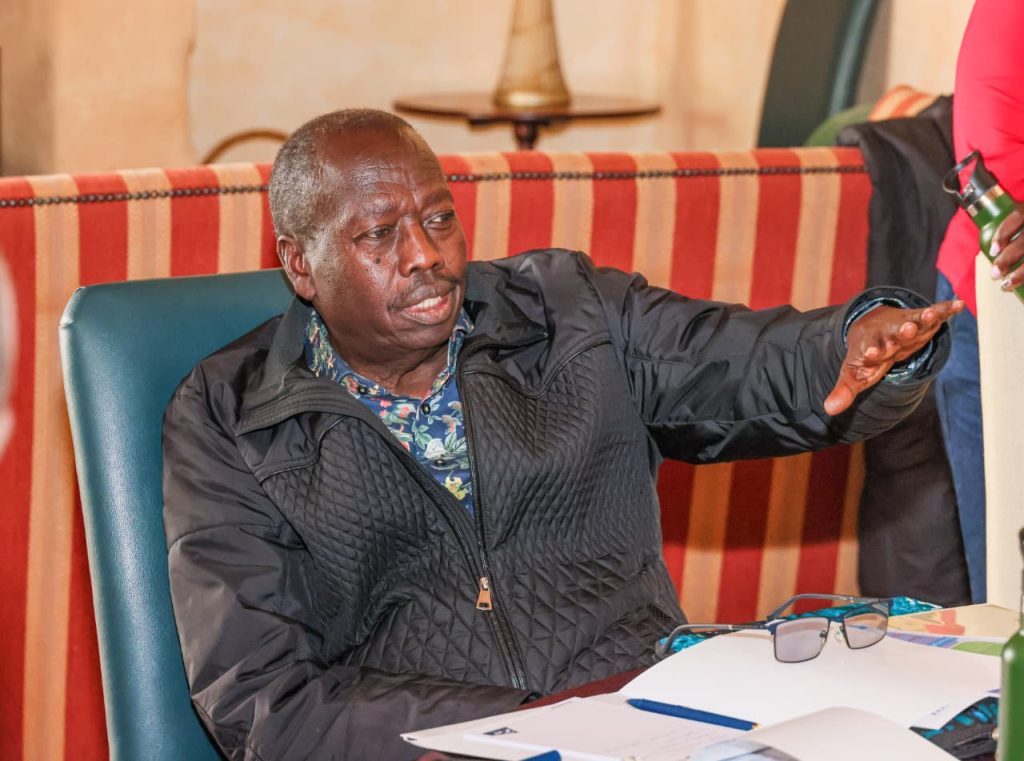
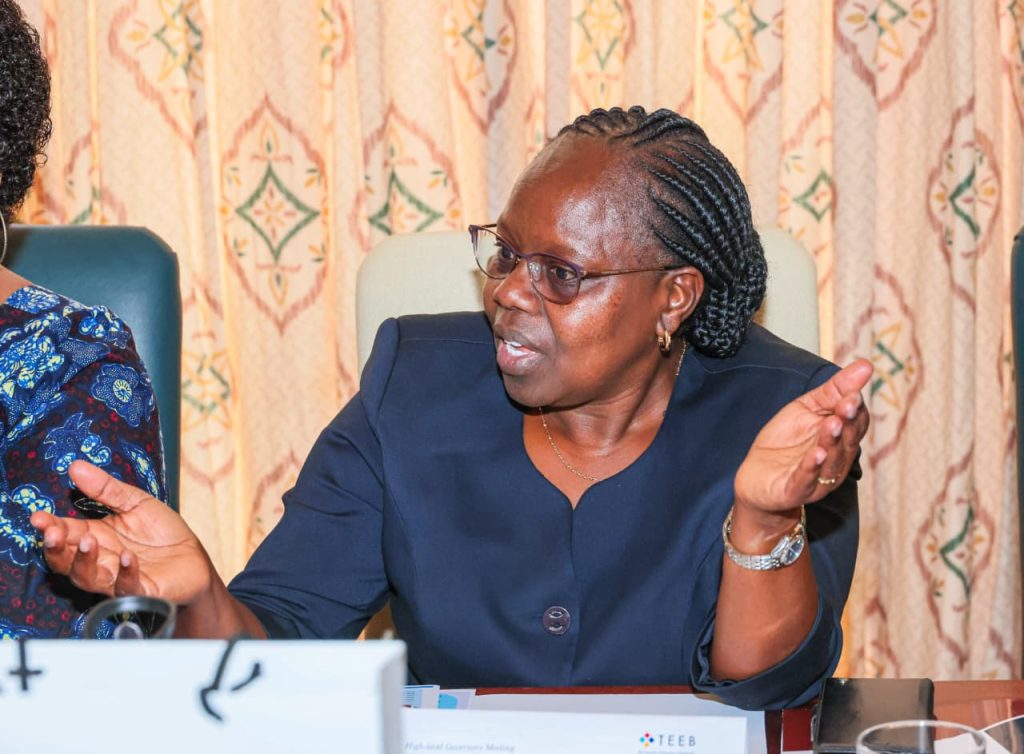
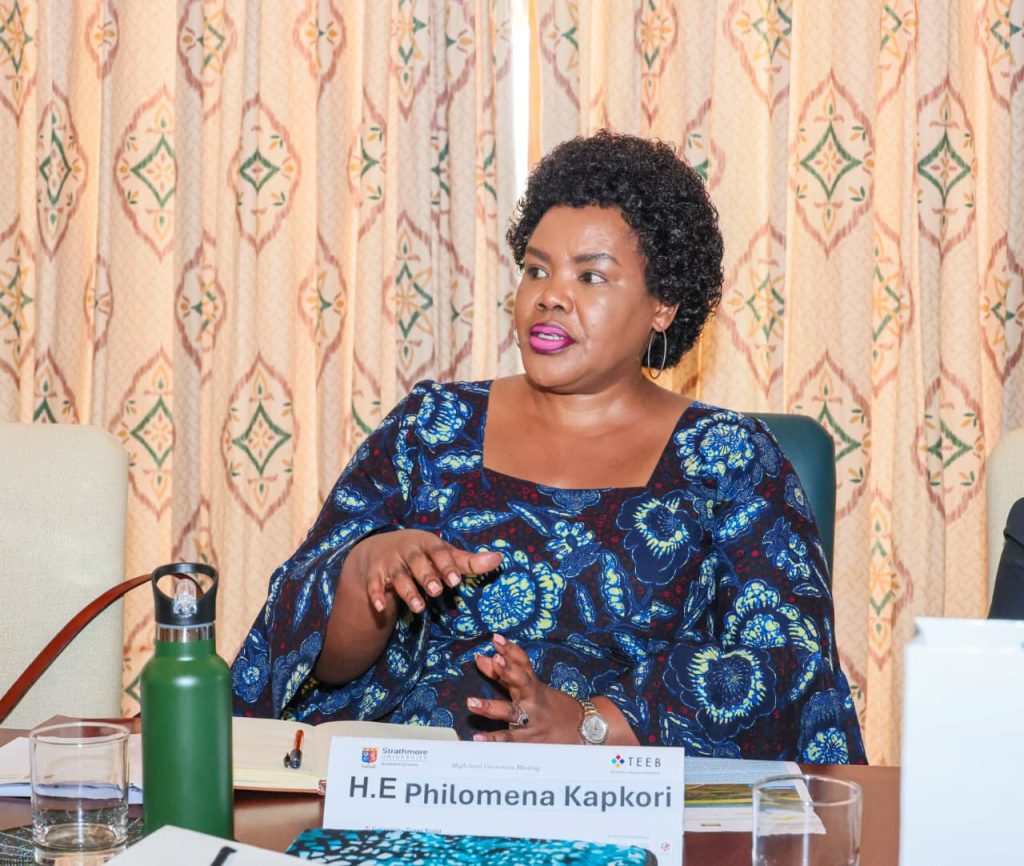
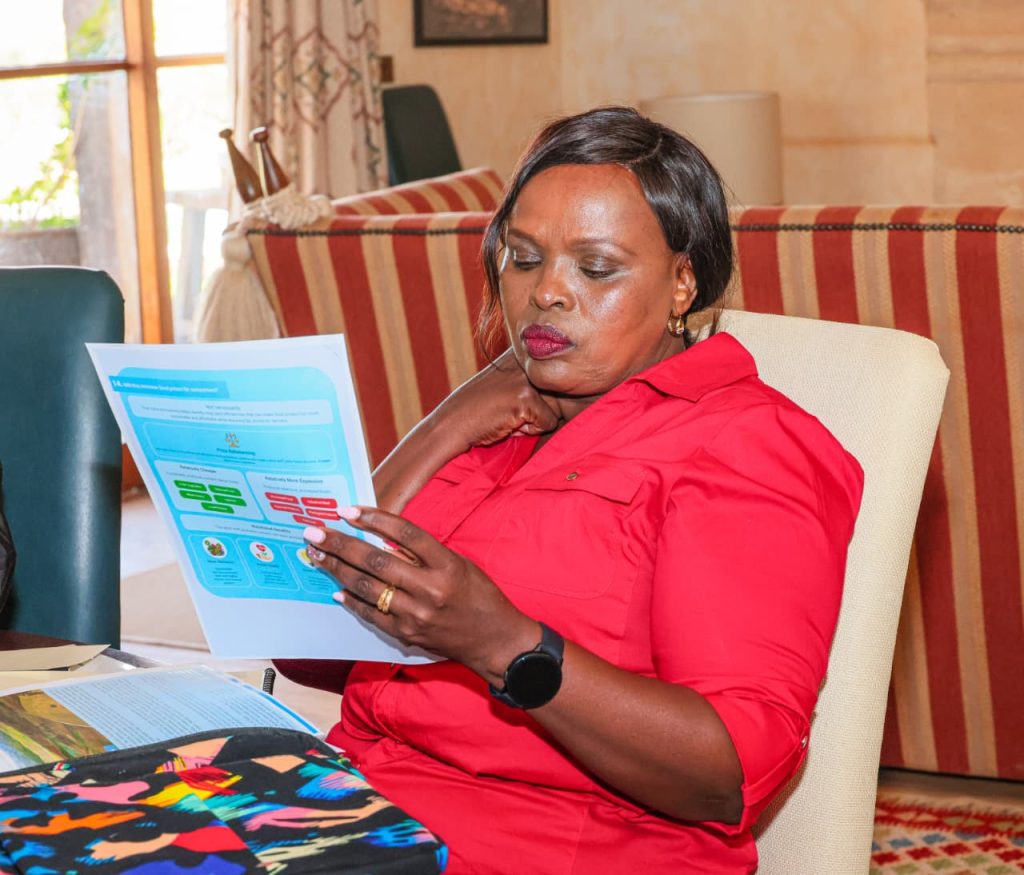
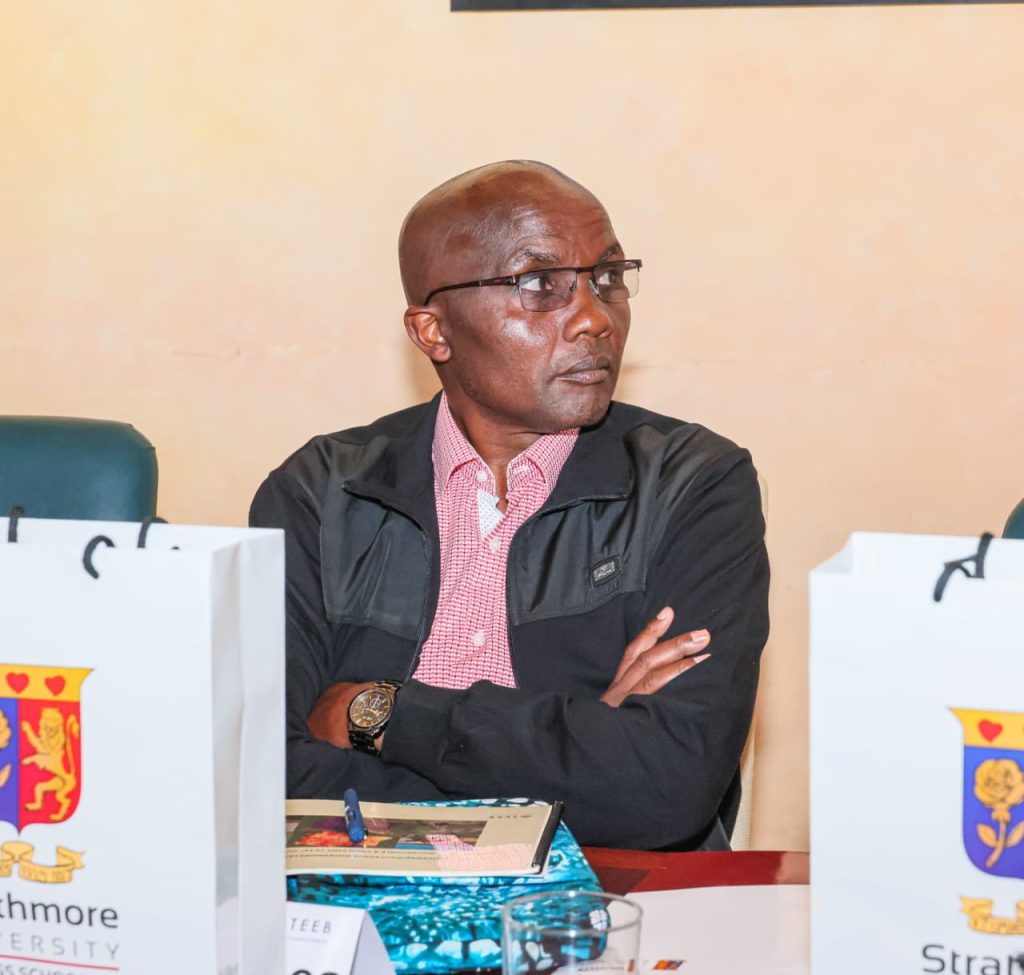
On Friday, 14th November 2025, Strathmore Business School (SBS) and the United Nations Environment Programme (UNEP), through The Economics of Ecosystems and Biodiversity (TEEB) initiative, convened a high-level leadership session with Governors and Deputy Governors from ten counties in the Rift Valley region: Nandi, Uasin Gishu, Elgeyo Marakwet, Baringo, West Pokot, Kericho, Bomet, Narok, Trans Nzoia, and Nakuru.
Hosted in Laikipia County, the session marked a strategic milestone in the scaling of the TEEBAgriFood Kenya Project, with participation from Laikipia County reinforcing a shared regional commitment to driving nature-positive transformation within Kenya’s agricultural landscapes.
The meeting provided a platform for county leaders to explore practical pathways for reshaping food systems in response to the dual challenges of food insecurity and climate change. Discussions centred on how nature-positive approaches can support counties in building more resilient, inclusive, and sustainable agricultural economies.
Prof. Jacqueline McGlade, the Project’s Principal Investigator, led an in-depth dialogue on True Value Accounting (TVA) and multi-capital planning, emphasizing how these methodologies—when embedded into county planning processes—can help quantify the full value of natural, human, and social capital. This approach strengthens decision-making, enhances social prosperity, and improves long-term food and climate resilience.
A key objective of the engagement was to support counties in integrating the TEEBAgriFood framework and TVA insights into the upcoming County Integrated Development Plan (CIDP5) and Medium-Term Plan (MTP5) cycles. Aligning these tools within county development processes is expected to advance a coherent regional strategy anchored in sustainability and evidence-based resource management.
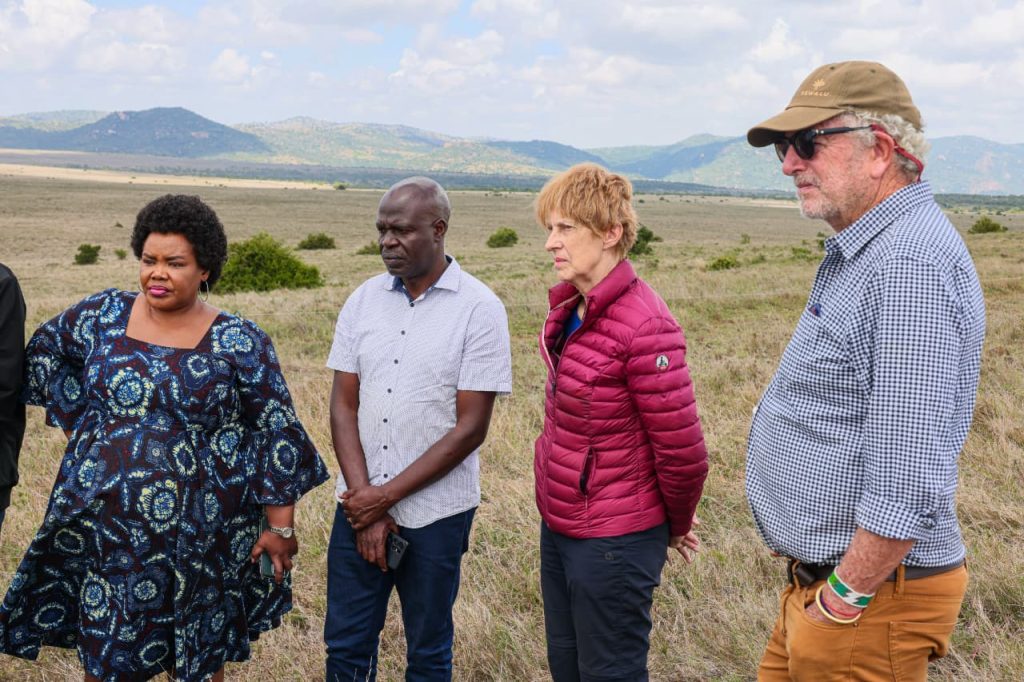
As part of the engagement, the leaders visited the Borana Conservancy for an experiential showcase of regenerative agriculture, livestock management models, and conservation approaches. The field visit demonstrated practical applications of natural capital and TVA principles, offering real-world examples of how holistic land management can boost productivity while conserving ecosystems.
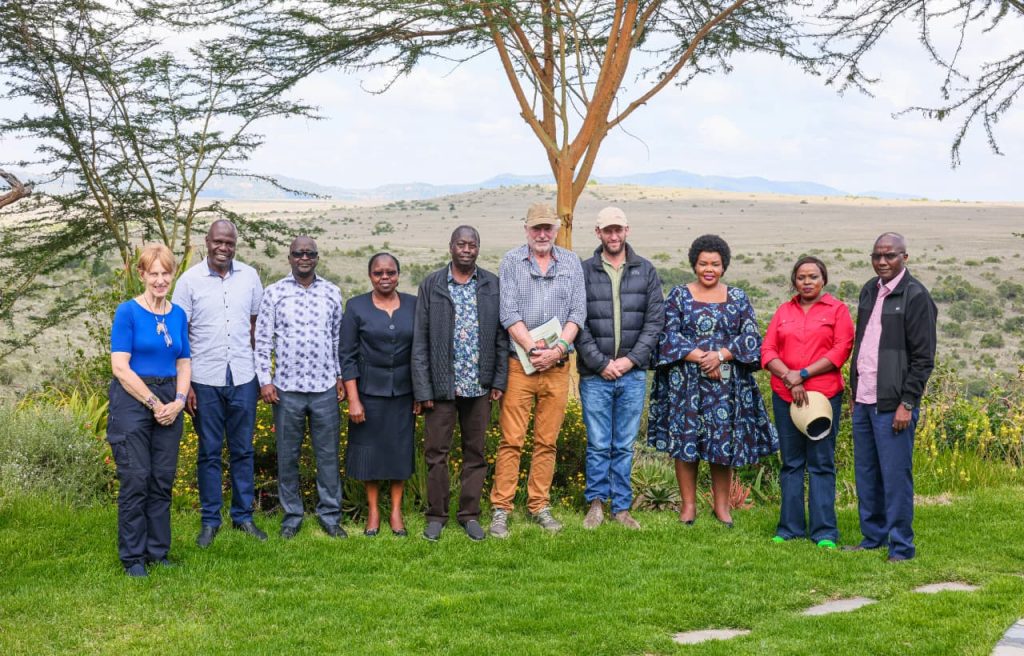
The TEEBAgriFood Kenya Project is a transformative initiative that seeks to shift how agricultural and food systems are valued and managed across Kenya. Implemented by The Economics of Ecosystems and Biodiversity (TEEB) at UNEP in partnership with Strathmore Business School, the project promotes a holistic, multi-capital approach to decision-making—one that accounts not only for financial outcomes, but also for the ecological, social, and human capital contributions that sustain food systems. Through the introduction of True Value Accounting (TVA), capacity-building for county governments, and practical demonstrations of nature-positive solutions, TEEBAgriFood Kenya empowers policymakers, farmers, and local communities to design more resilient, sustainable, and equitable food systems. By integrating these principles into county and national planning processes, the project aims to strengthen climate resilience, enhance food security, and ensure that Kenya’s agricultural landscapes continue to support both people and nature for generations to come.
Article by Juliet Hinga