We often say, “We have the data.” But a more important question lingers beneath the surface: do we have the right data?
For many practitioners and policymakers, data on food systems are typically reduced to a narrow set of indicators such as yield per hectare or the number of bags produced per area. These metrics are undeniably important. They offer a snapshot of productivity and performance. But on their own, they tell an incomplete story.
Food systems are inherently complex. They are shaped not only by production outputs but also by a web of interconnected factors spanning human well-being, social dynamics, environmental sustainability, and economic systems. These dimensions, often referred to as human, social, natural, and produced capital, are critical in understanding the true performance and impact of any value chain. Yet they are frequently overlooked in conventional data collection and analysis.
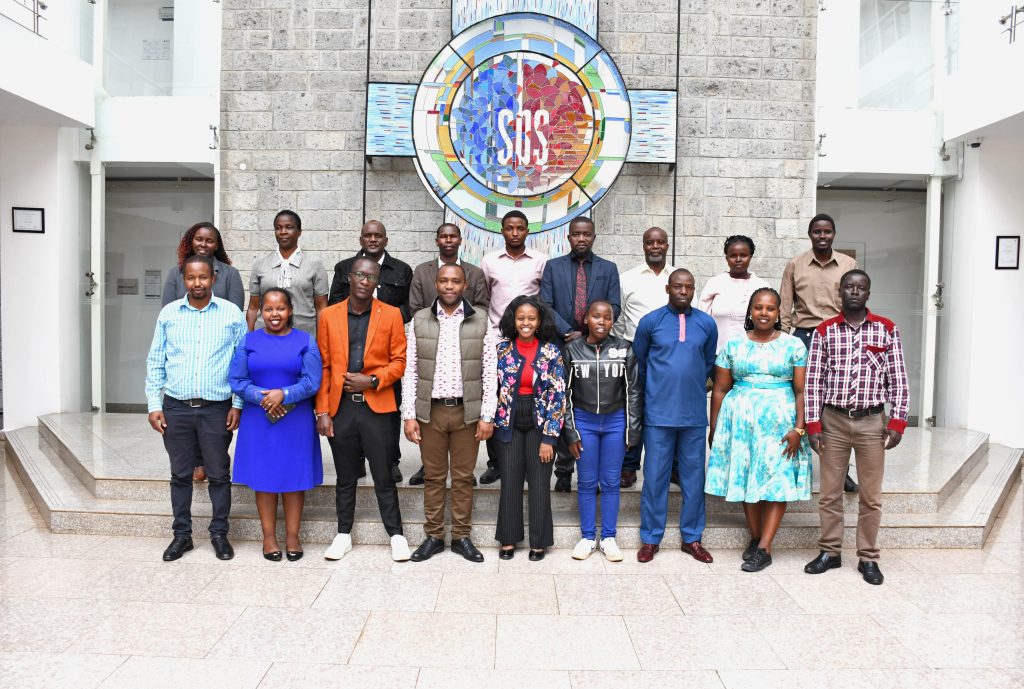
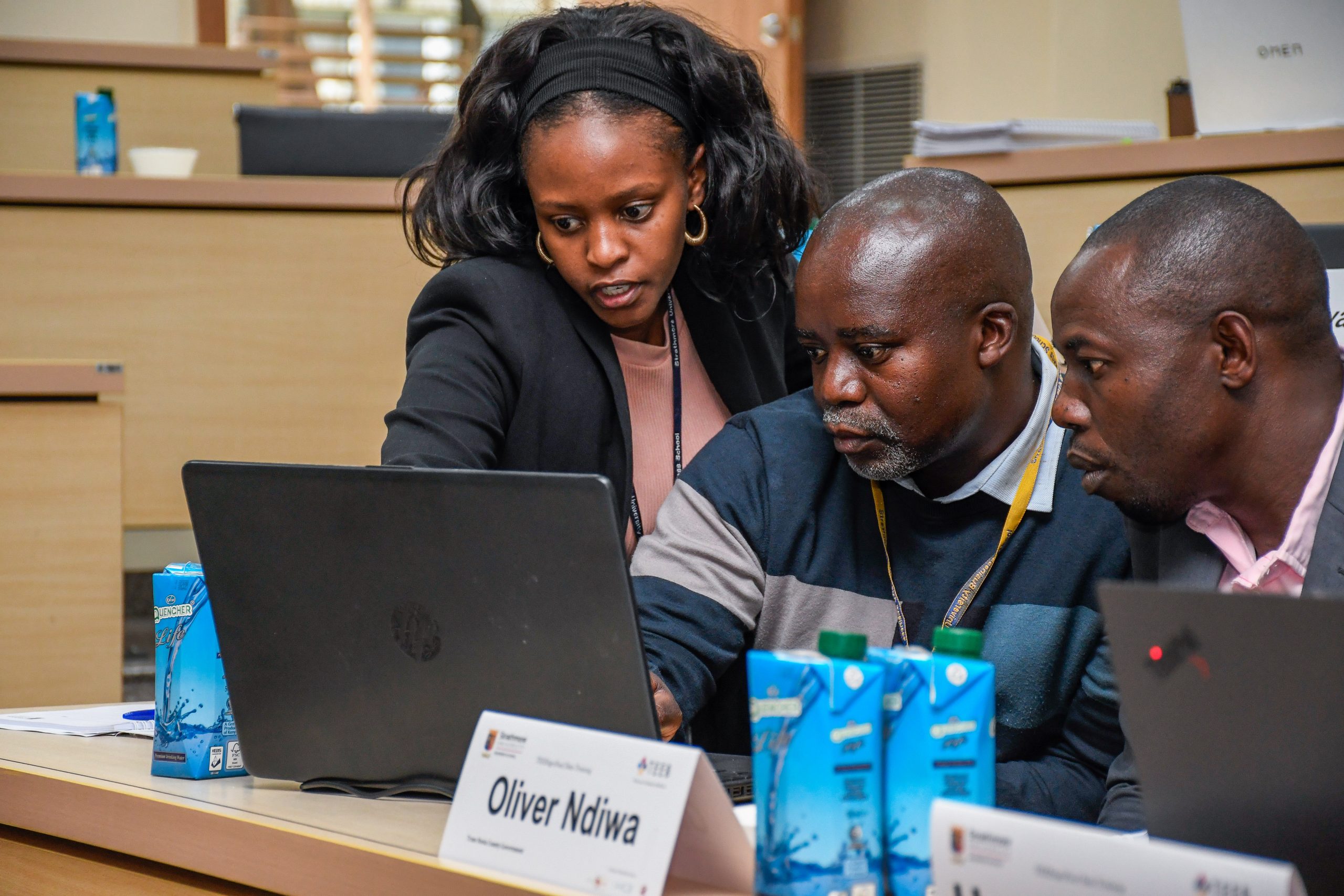
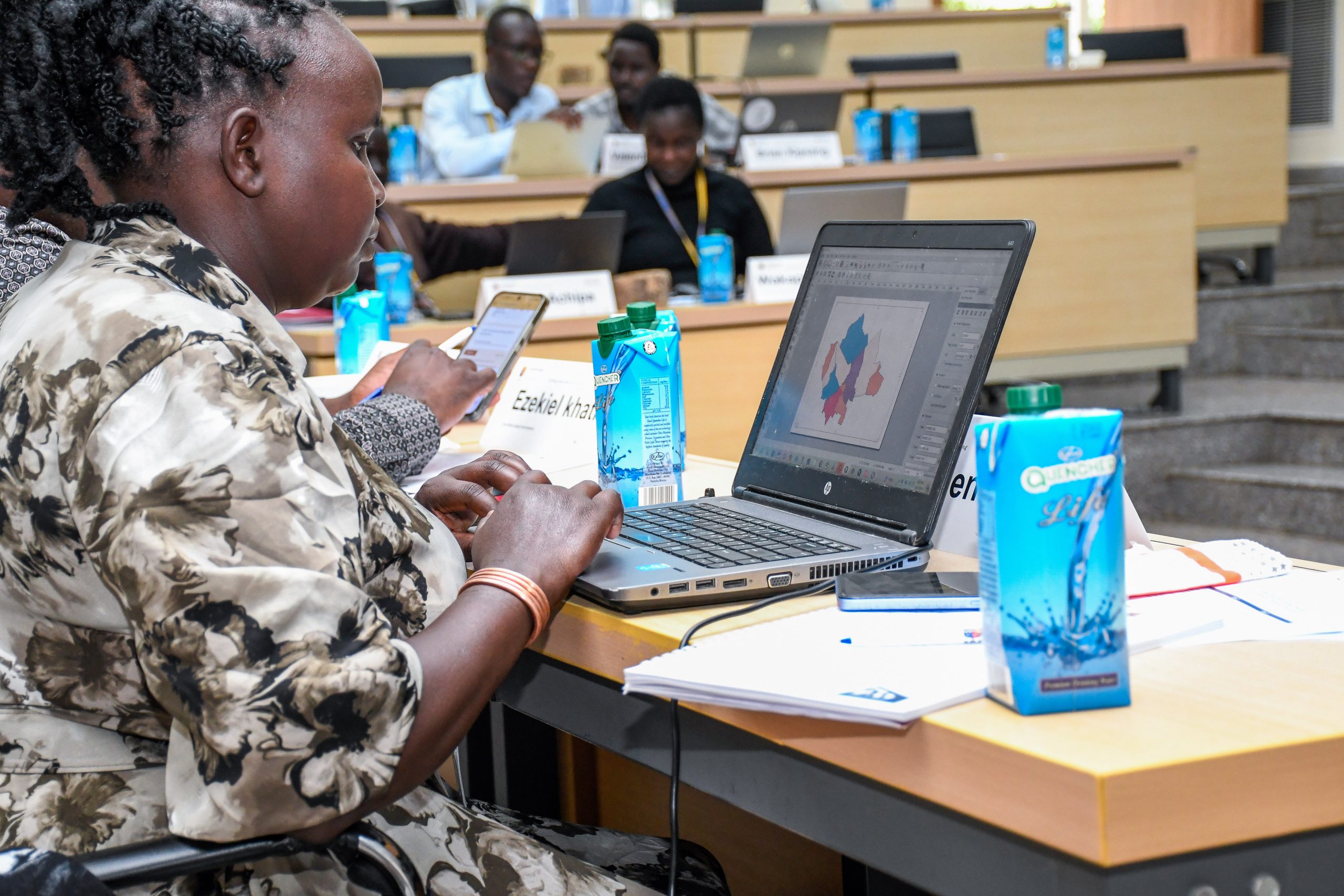
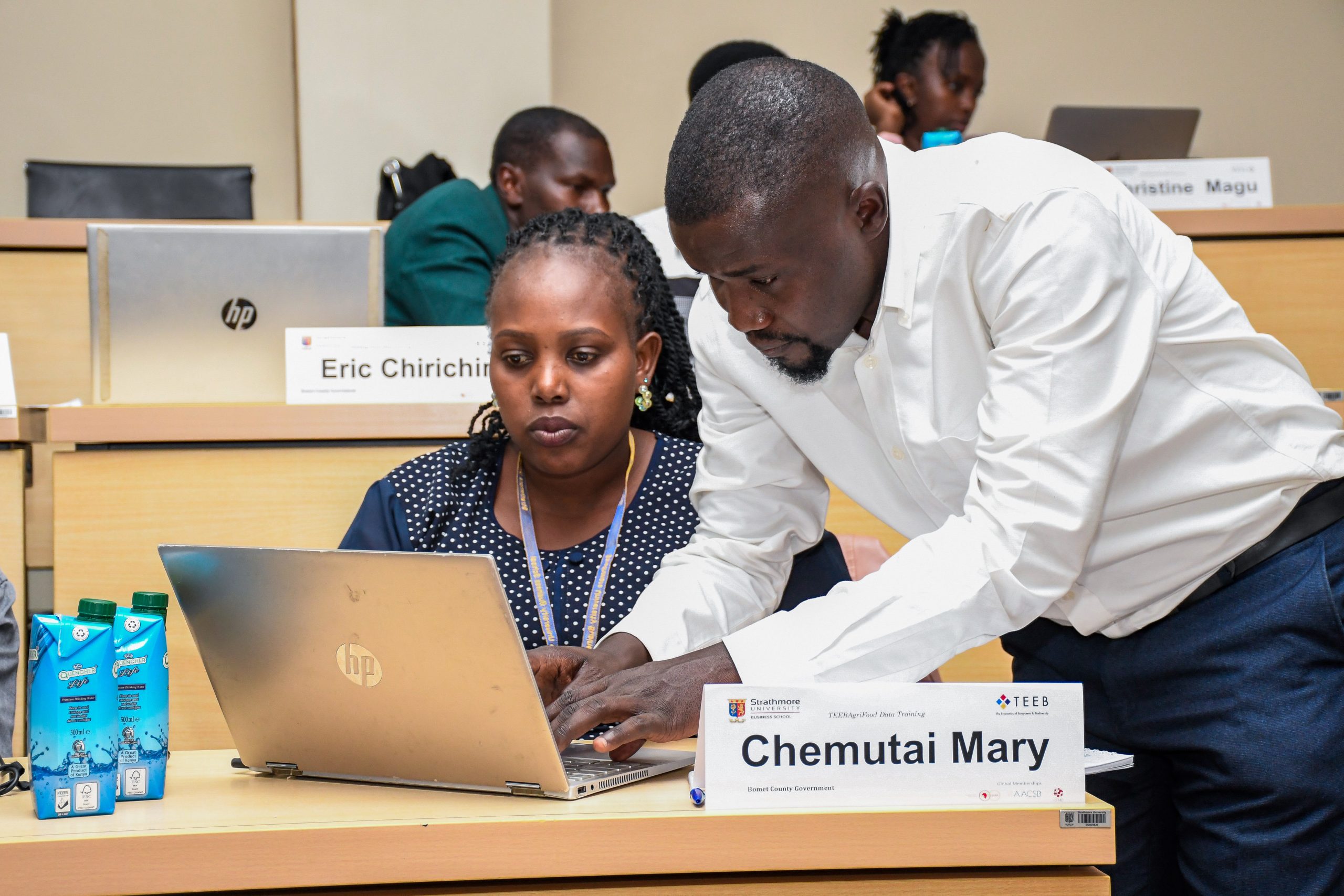
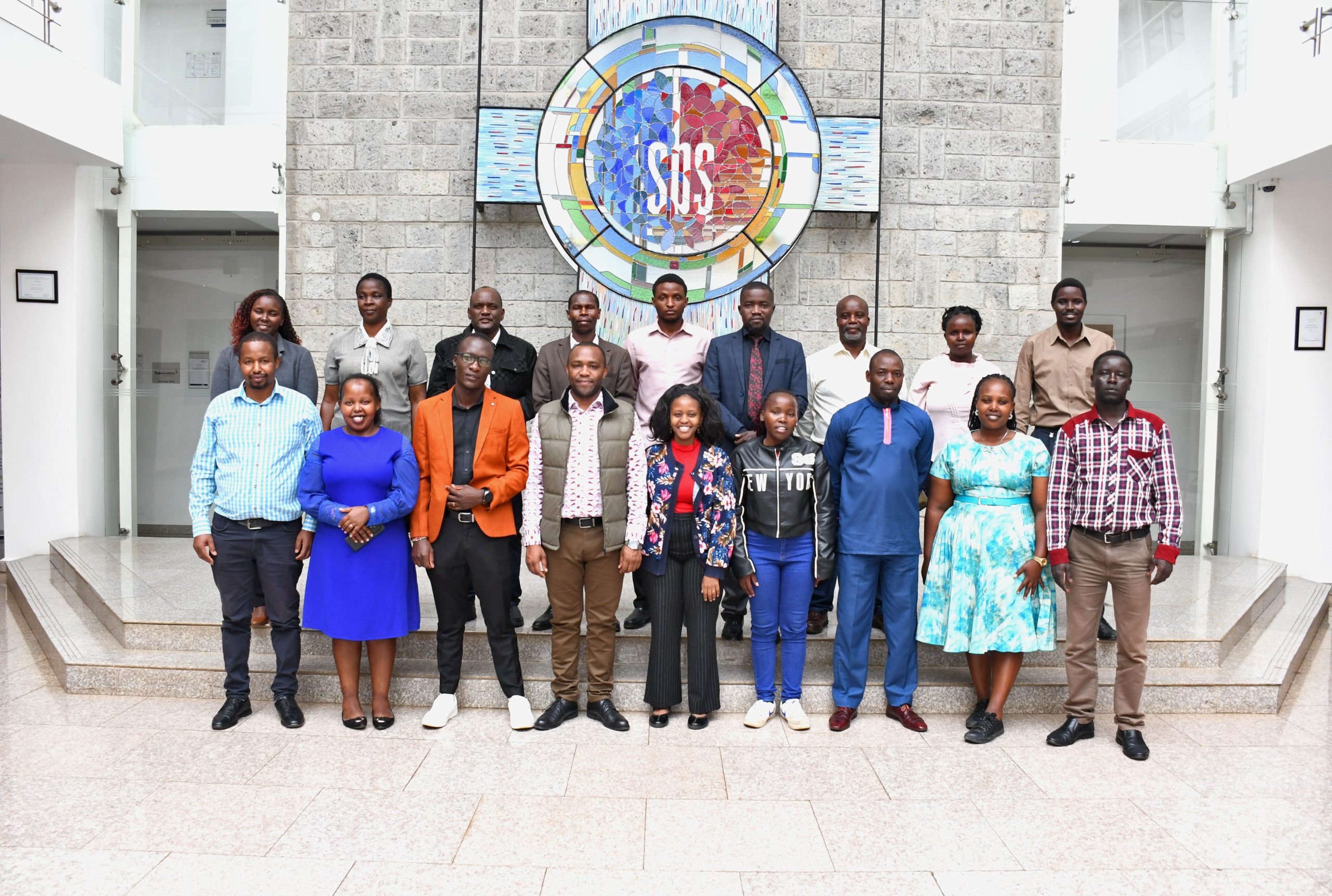
With this in mind, the TEEBAgriFood Kenya project convened county and national data officers for the first cohort of its Data Training. The objective was clear: to shift the focus from data collection to data that drives decisions.
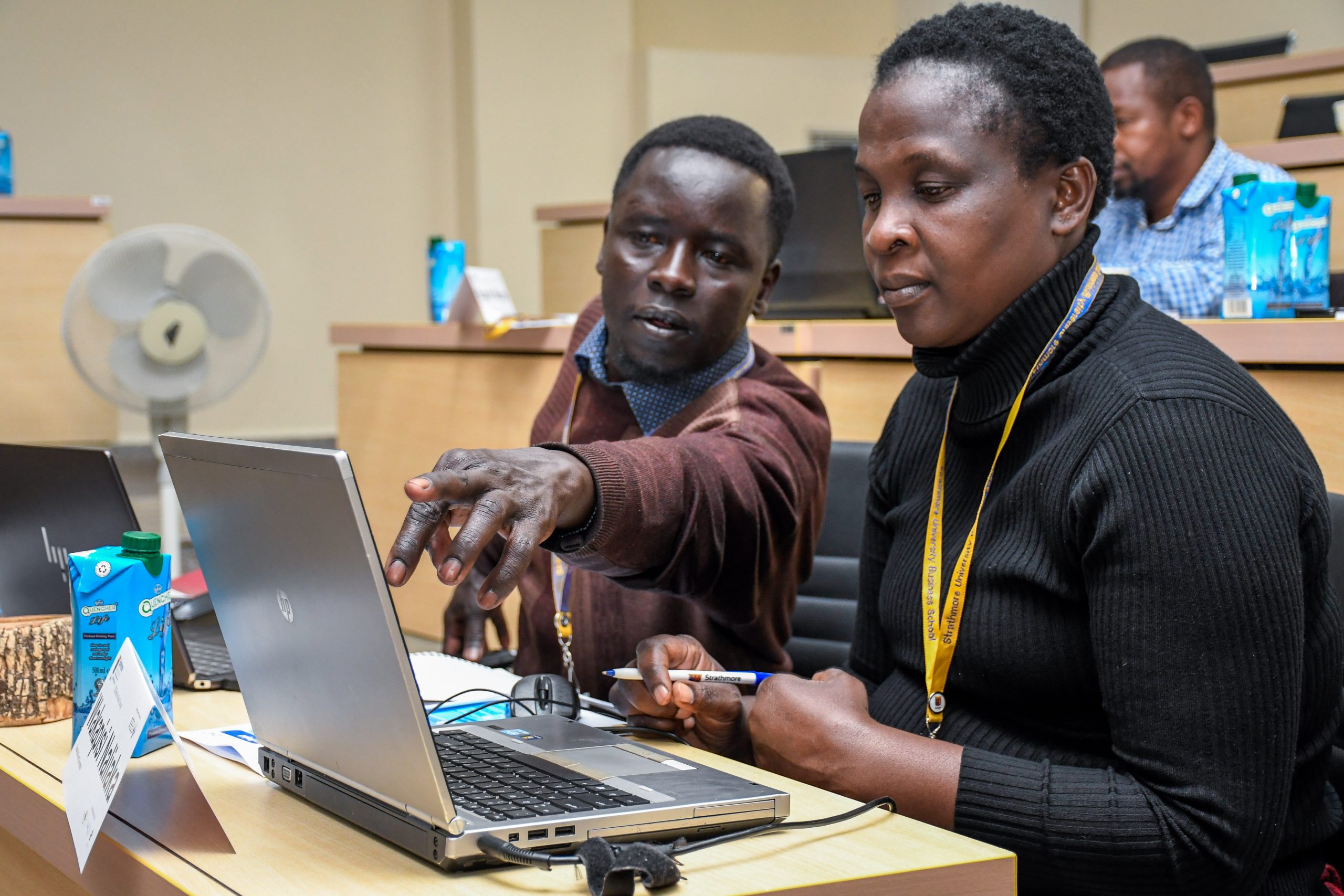
The training provided participants with practical tools and frameworks to deepen their analysis and expand their understanding of food systems. Sessions covered data analysis, processing, simulation, and visualization; core skills necessary for transforming raw data into meaningful insights. Participants were also introduced to causal loop diagrams, enabling them to map the complex interdependencies within value chains and better understand how different variables influence one another.
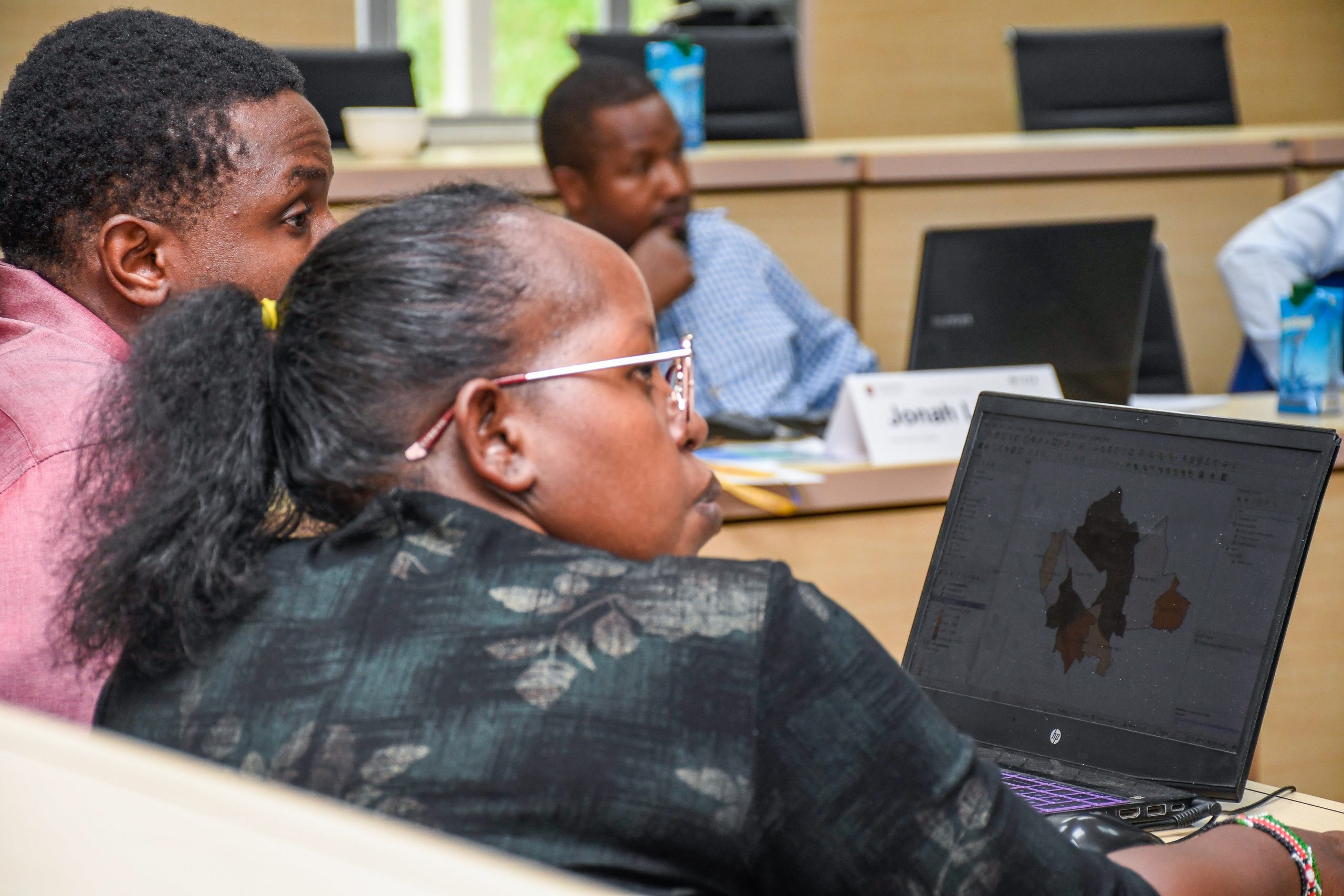
Beyond these, the programme explored scenario modelling, equipping participants to simulate different outcomes based on varying data inputs. This approach allows decision-makers to anticipate potential impacts and make more informed choices. The use of open-source satellite data and ward-level zonal statistics further demonstrated how technology can enhance the granularity and relevance of data for localized decision-making.
Yet perhaps the most critical lesson from the training was not technical, but conceptual. When presenting data to policymakers, one question inevitably arises: “So what?”
This question underscores a fundamental truth; data alone is not enough. Data must be interpreted, contextualized, and communicated in ways that are relevant and actionable. It must tell a story. It must inform decisions. It must ultimately influence policy.
By equipping data officers to move beyond surface-level metrics and uncover the hidden externalities within food systems, the TEEBAgriFood Kenya project is helping to strengthen the foundation for evidence-based policymaking at the county level. This approach recognizes that meaningful transformation requires more than just numbers; it requires a holistic understanding of systems and their broader impacts.
As we rethink how we collect, analyze, and communicate data, one thing becomes clear: the goal is not simply to have more data, but to have better data that captures complexity, reveals trade-offs, and supports sustainable decision-making.
Article by Juliet Hinga