Kenya’s Food Systems are at a crossroads with the combined pressures of climate change, biodiversity loss, persistent nutrition challenges, and widening economic inequality. These intersecting crises are not isolated; they are deeply interconnected, shaping how food is produced, distributed, consumed, and valued across the nation.
As evidence continues to emerge on sustainable and nature-positive pathways, one truth remains clear: research alone is not enough. Data, no matter how robust, cannot influence systems if it remains confined to reports and technical papers. The bridge between evidence and action is communication.
Strategic storytelling, media engagement, and data-driven narratives play a decisive role in ensuring that scientific insights inform policy, shape public discourse, and drive meaningful behaviour change. Translating complex food systems science into clear, relatable, and actionable messages is essential if farmers, policymakers, businesses, and citizens are to make informed decisions. Communication, therefore, is not peripheral to food systems reform; it is central to it.
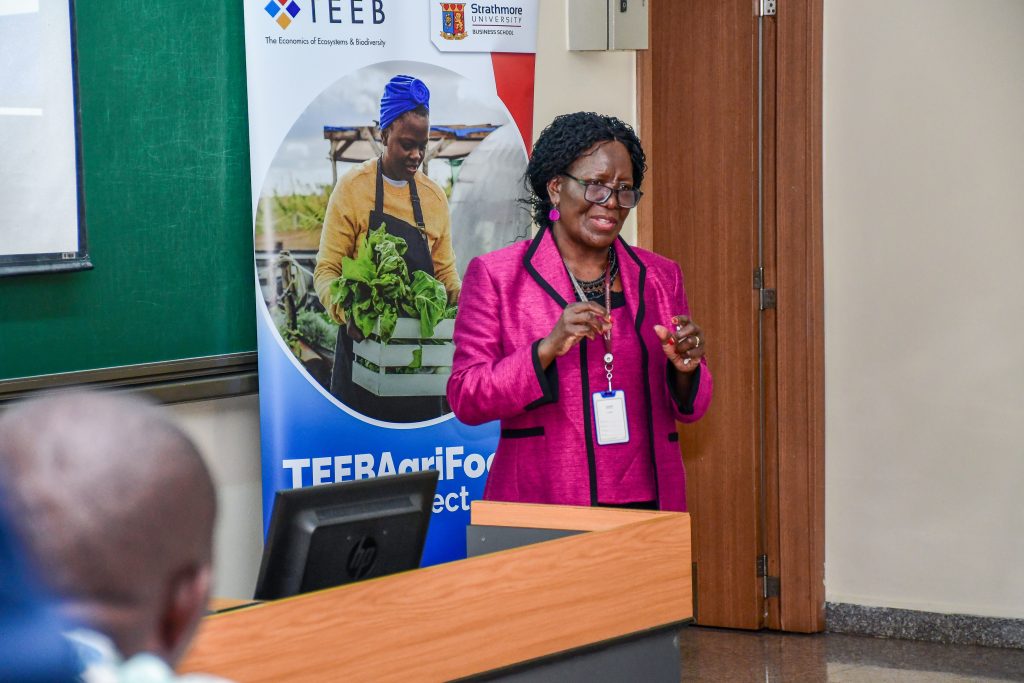
It is against this backdrop that the TEEBAgriFood Kenya team designed a Communication Training to strengthen environmental reporting and integrate the principles of True Value Accounting (TVA) into the food systems discourse. This was driven by the recognition that the media, alongside the respective county-level and national -level communication teams, are powerful actors in shaping national conversations around sustainability and development.
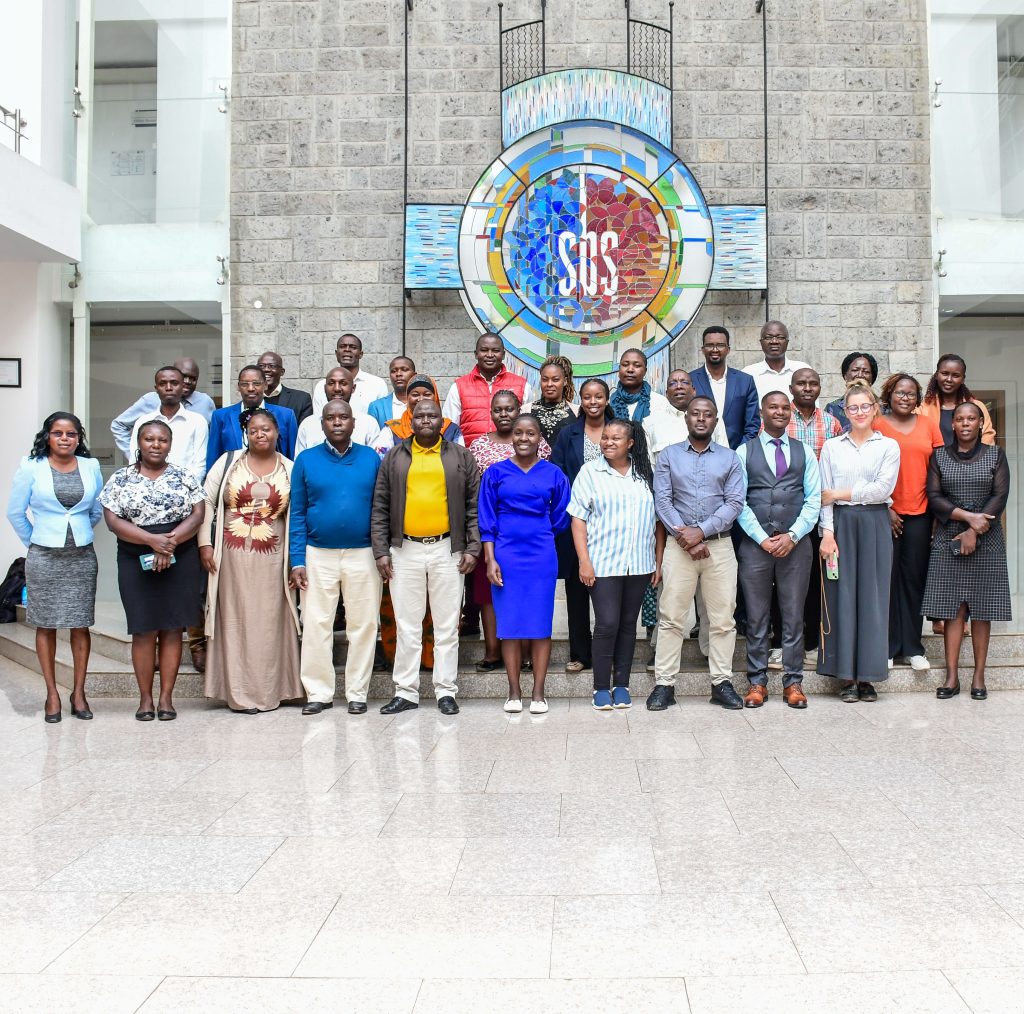
Delivered between 23rd and 25th February 2026, the training brought together journalists, communication teams from the Ministry of Health, the Ministry of Agriculture and Livestock Development, and county governments participating in the TEEBAgriFood Kenya Project. This cross-sectoral approach underscored a key message: transforming food systems requires coordinated narratives across institutions and governance levels.
The training focused on strengthening the role of media and strategic communication in advancing True Value Accounting within food systems. Participants explored how to communicate the true environmental, social, and economic costs and benefits embedded in the food we produce and consume. By unpacking these hidden values, the programme sought to reframe how food systems are understood and reported.
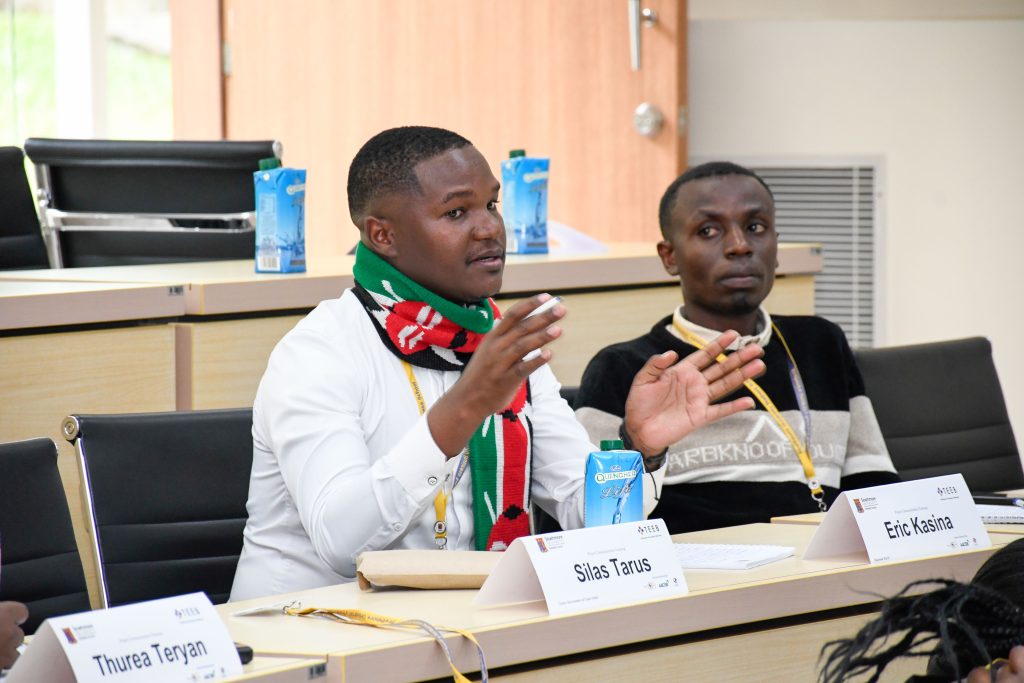

Sessions delved into translating complex environmental and economic data into compelling, accessible narratives. Participants examined the intricate linkages between food systems, nutrition outcomes, and environmental sustainability, highlighting how reporting can illuminate these interdependencies for wider audiences. Practical components included approaches to data journalism, environmental reporting, and economic storytelling, equipping participants with tools to move beyond surface-level coverage toward deeper analytical engagement.
At its core, the training reinforced a fundamental principle: effective communication is not merely about telling stories. It is about shaping the decisions that influence people, policy, and the planet. In the context of Kenya’s evolving food systems, communication becomes a lever for accountability, informed policymaking, and behavioural transformation.
As the country navigates the complex terrain of sustainability, equity, and resilience, strengthening the capacity of media and communication professionals is an investment in systemic change. When science is communicated clearly and responsibly, it empowers action. And when narratives align with evidence, they become catalysts for transformation.
Article by Juliet Hinga