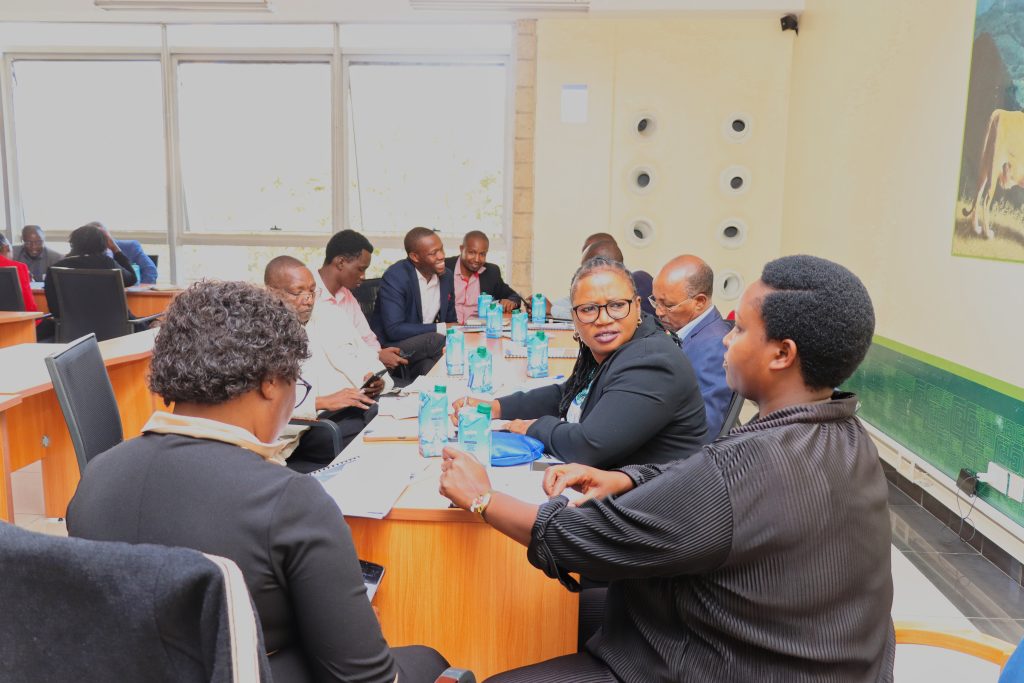
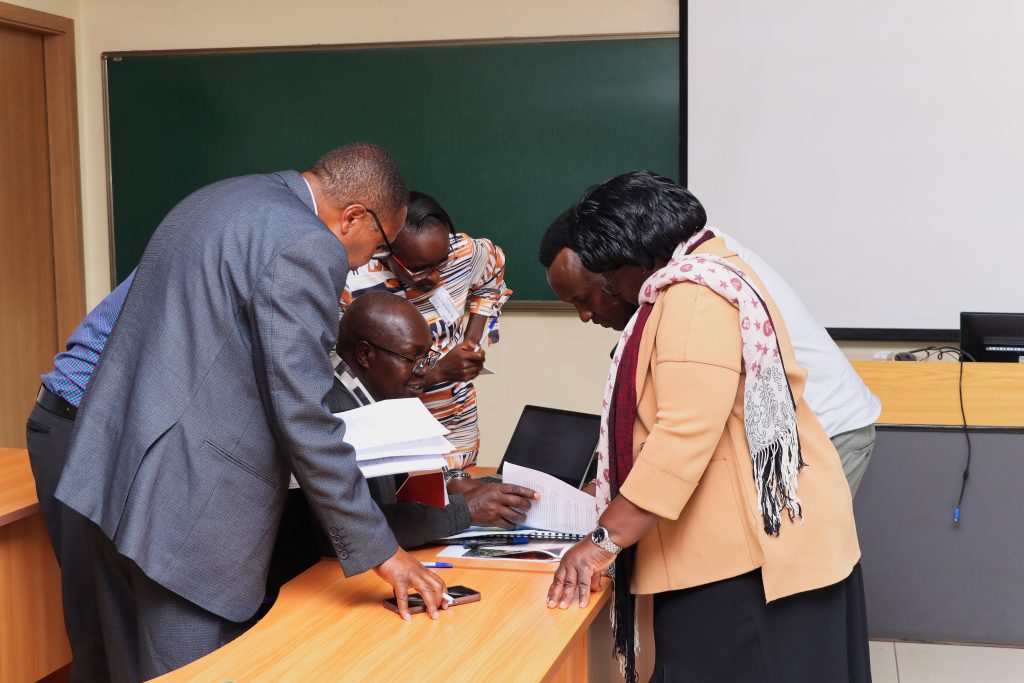
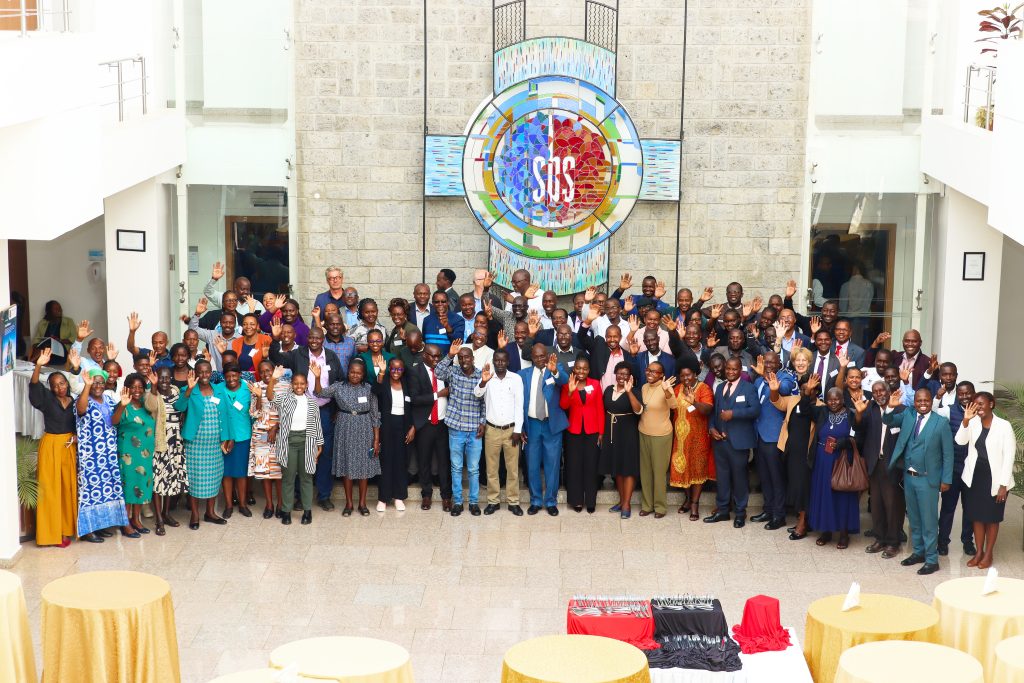
In this context, the TEEBAgriFood Kenya Project recently convened a Community of Practice (CoP) Plenary meeting, bringing together stakeholders from national and county governments, the private sector, civil society, research institutions, youth groups, and community-based organisations. The engagement provided a strategic platform to strengthen understanding of the TEEBAgriFood Framework and the True Value Accounting (TVA) approach as tools for more holistic, evidence-driven policy and planning.
Kenya’s agri-food systems are under increasing pressure from climate change, land and ecosystem degradation, food insecurity, and nutrition-related health challenges. Addressing these interconnected issues requires more than incremental change; it calls for decision-making frameworks that recognise the full value of food systems, beyond yields and short-term economic gains.
At the core of the discussions was the role of TVA in making visible the environmental, social, and health costs and benefits that are often excluded from conventional economic assessments. By accounting for natural, human, social, and produced capital, the TEEBAgriFood framework enables policymakers and planners to better understand trade-offs, identify synergies, and design interventions that support long-term sustainability and inclusive growth. Participants reflected on the limitations of “business as usual” approaches and the risks they pose to livelihoods, ecosystems, and national development goals. Valuation-based evidence was highlighted as a critical enabler for aligning agricultural, environmental, and health objectives across sectors and levels of government.
Insights from county governments, youth-led research, ecosystem valuation studies, and private sector actors demonstrated how evidence can be grounded in real-world contexts. Experiences shared during the meeting illustrated how the TEEBAgriFood framework can support the design and implementation of agroecology policies, ecosystem restoration initiatives, youth-inclusive agricultural strategies, and nature-positive business models. These examples reinforced the importance of translating technical evidence into actionable insights that inform county and national planning processes, including budgeting, investment prioritisation, and programme design.
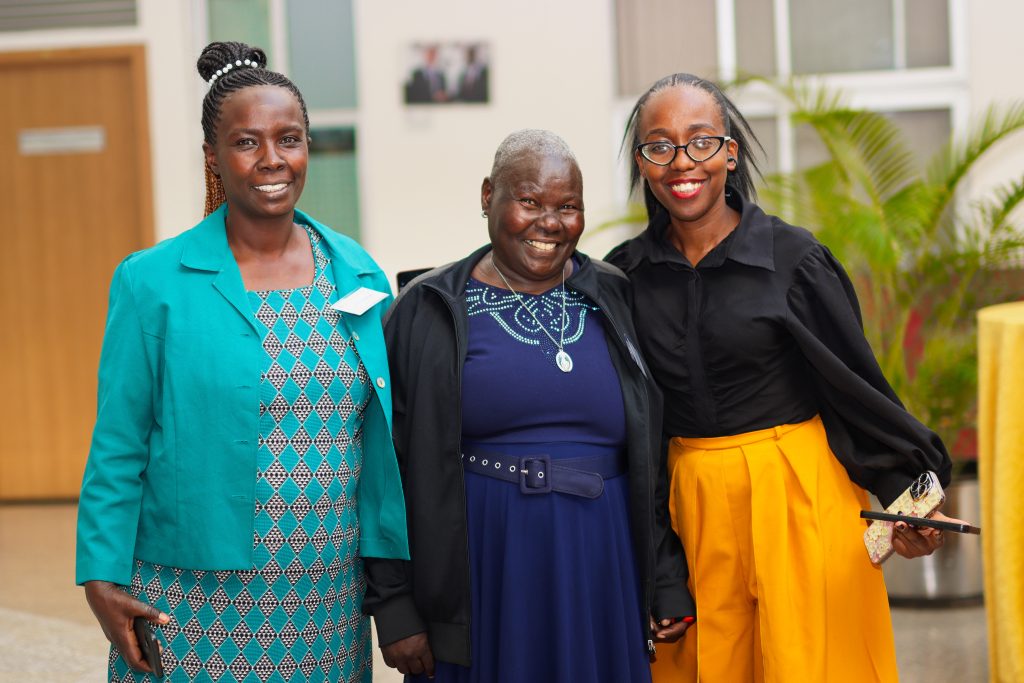
A key outcome of the CoP Plenary was the shared recognition that coordination, communication, and collaboration are essential for turning evidence into action. Strengthening institutional linkages and ensuring effective knowledge flows between research, policy, and implementation actors were identified as priorities for scaling impact. Through its convening role, the TEEBAgriFood Kenya Project continues to support alignment across stakeholders and to promote the mainstreaming of valuation-informed decision-making within national and county systems.
As Kenya advances its food systems transformation agenda, integrating True Value Accounting into policy and planning processes will be critical for achieving resilient, inclusive, and nature-positive outcomes. Continued stakeholder engagement, capacity building, and evidence translation will remain central to ensuring that food systems work not only for economic growth, but also for people’s wellbeing and the health of ecosystems.
Article by Juliet Hinga